The Quiet Beauty of Single Plant Containers
Most of us are familiar with the thriller, filler and spiller method of planting containers, but sometimes the most beautiful containers feature just one plant.
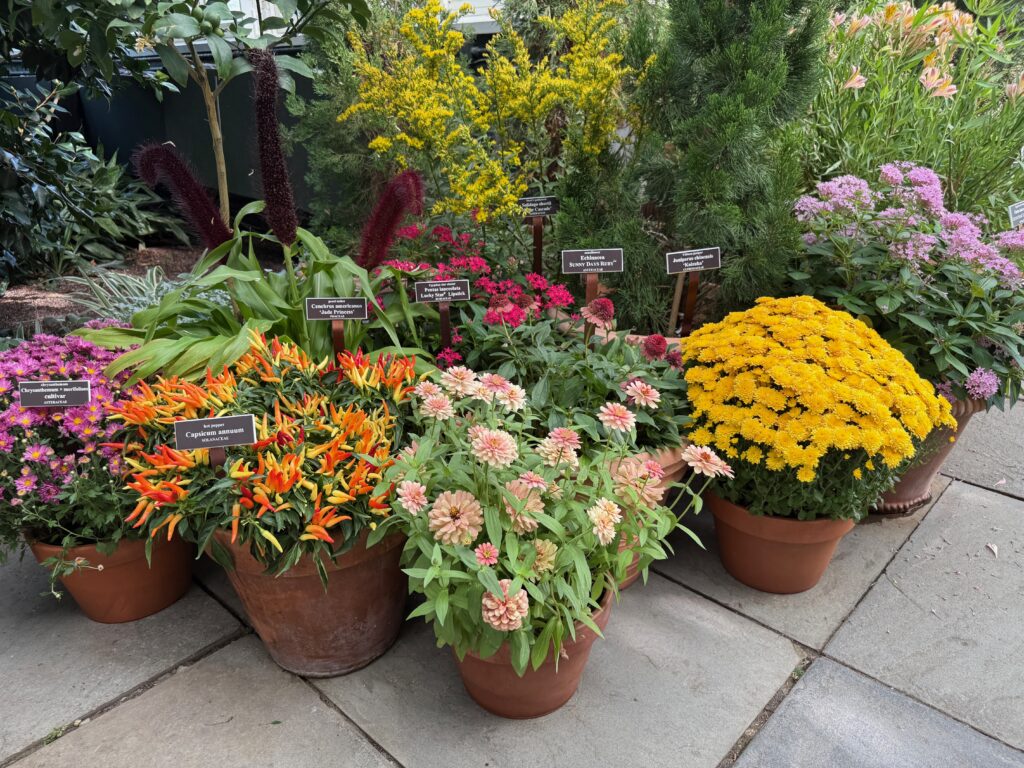
Let’s explore the beauty of single plant containers and how to make them truly shine in your garden.
Why Single Plant Containers Work
There’s no right or wrong way to plant your garden containers, but there are a few methods that help structure the aesthetics and make them pleasing to the eye.
First, let me recap the thriller, filler, spiller method: one plant stands tall in the pot as the thriller, a few fill in the space around the thriller, and a couple spill over the edge of the container to create a lovely potted arrangement that is beautiful and striking. The container below is a gorgeous example of this method.

You can read more about this method in my post: Spring to Summer Container Recipes. This system works well and is super easy to replicate. You will quickly recognize it everywhere you go!
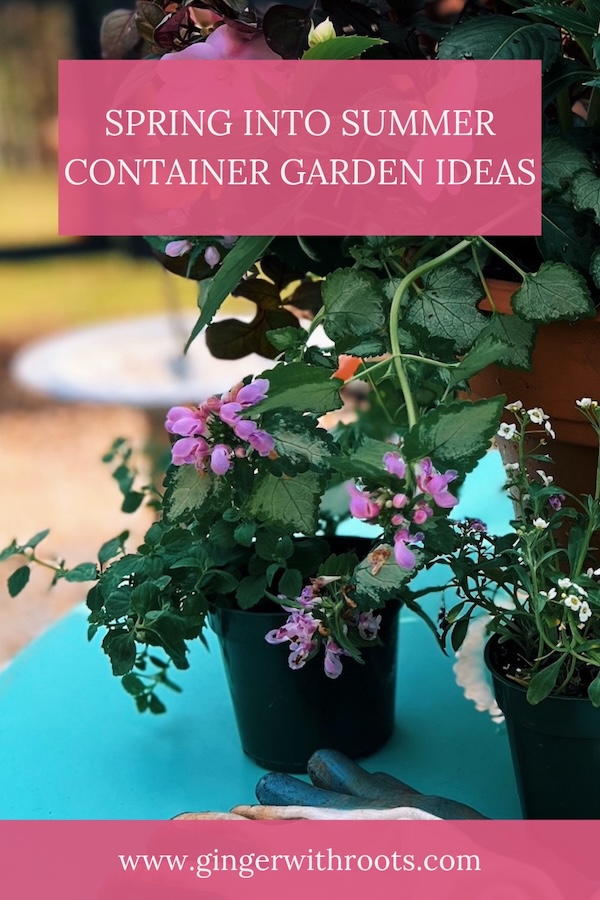
However, I want to take a break from that formula and showcase the single plant container because it is visually eye-catching, grows freely without competing for space, and makes a big impact when used correctly.
Visual Appeal
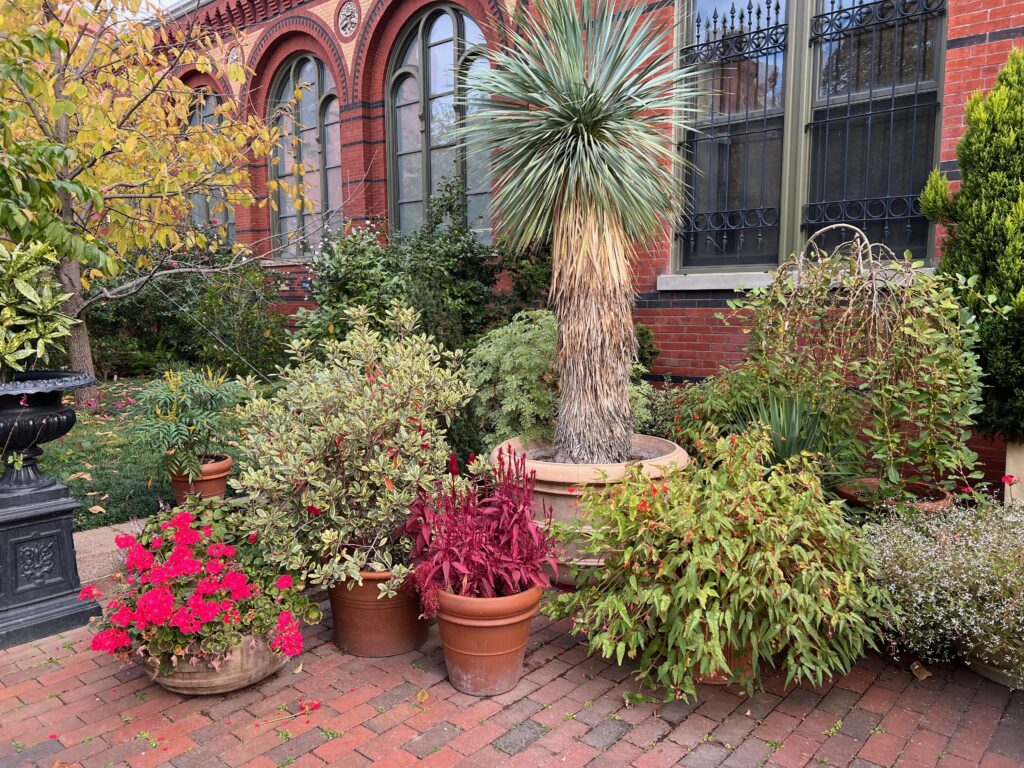
The single plant container features one individual plant, typically a visually interesting plant that has unique foliage, blossoms or structure. When planted solo, your eye is able to see it clearly and appreciate the plant’s attributes without losing them into the wild mix of plants of typical container recipes.
Ease of Maintenance
When caring for a mixed container, there are several plants that need attention. This means watering, fertilizing, pruning and deadheading. A single plant container will also have needs, but their needs are singular. Instead of deadheading or pruning multiple plants at varying times, the single plant can be done less frequently. If it shows signs of distress, you can treat it without ‘treating’ all of the others around it that might not need that extra attention.
Choosing Plants that Shine Solo
There a several key elements that help single plant containers stand out in the garden:
- Interesting foliage-color, variegation, shape
- Striking blooms-color, shape, size
- Distinctive structure-well rounded, conical, free-flowing
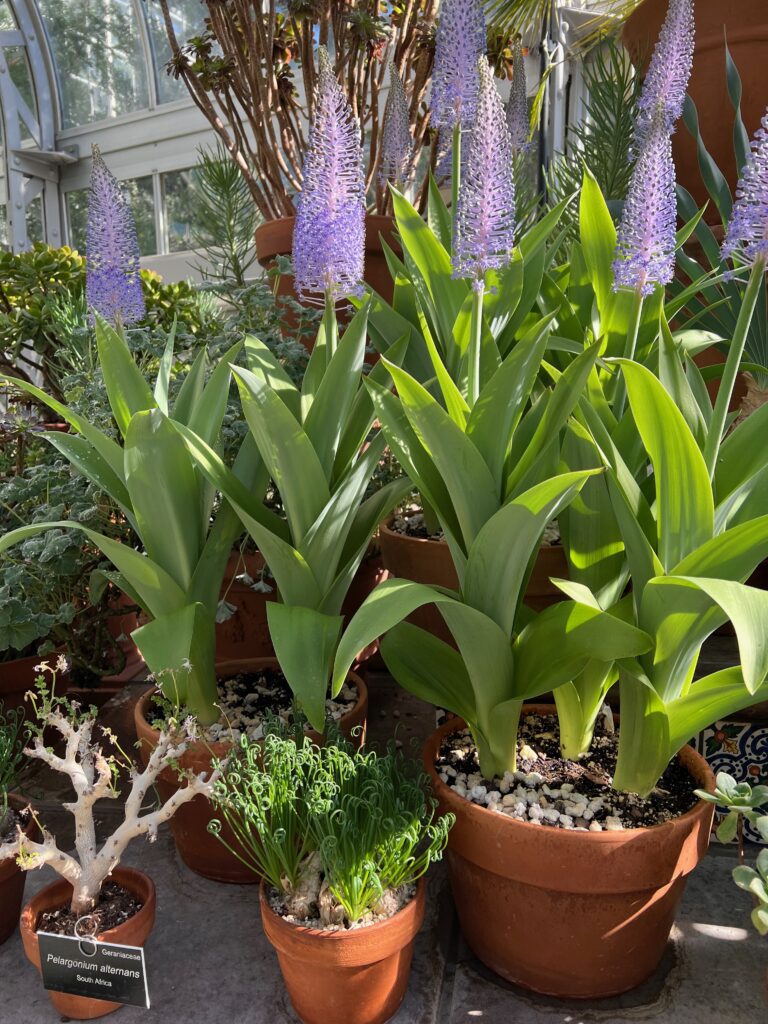
This collection of mediterranean plants at the United States Botanic Garden is a terrific example of letting the individual plant shine on its own. I will get to the use of terracotta pots in a minute, but take note of them here!
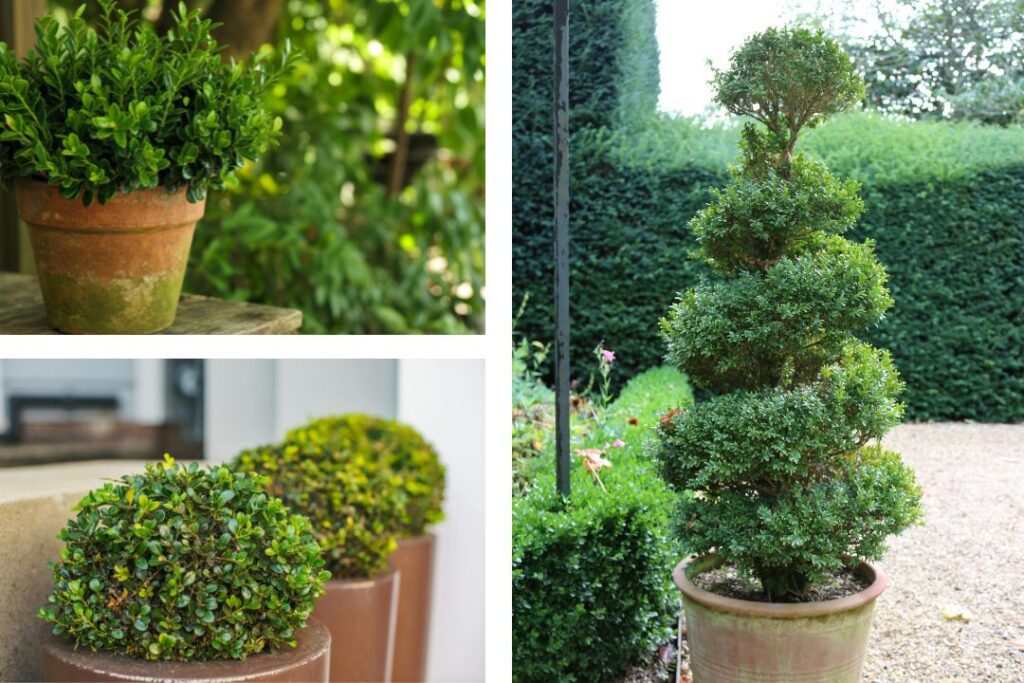
I love boxwoods when they are planted alone in containers. They may not produce blooms, but their easily-shaped structure and evergreen foliage make them super stars in the container garden.
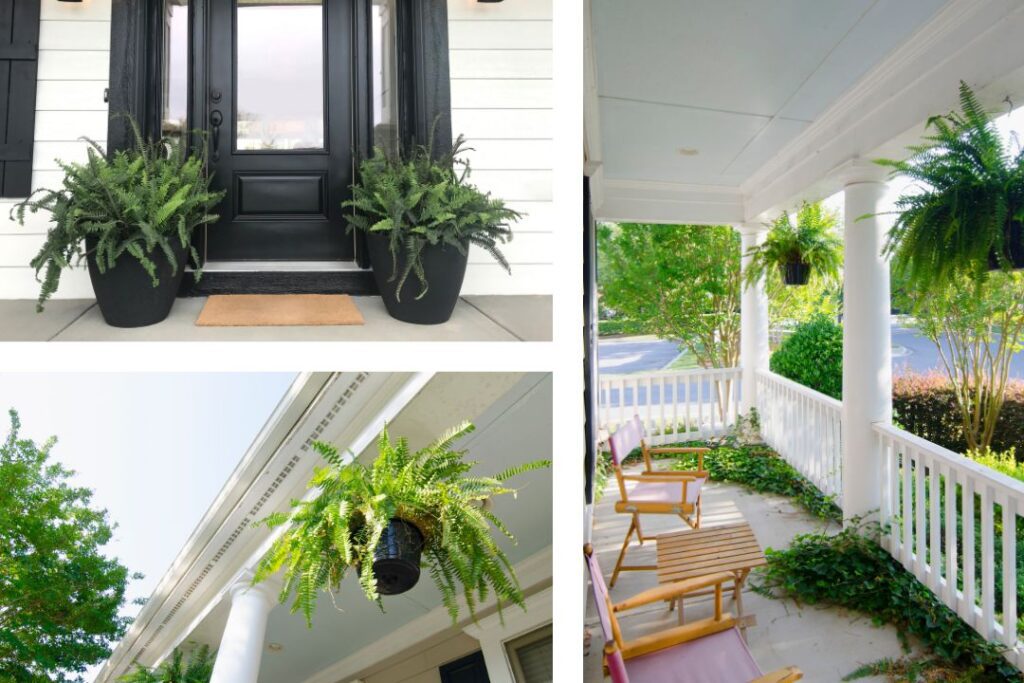
Ferns, like boxwoods, have interesting foliage and beautiful shape. They are also perfect for flying solo in the single plant container.
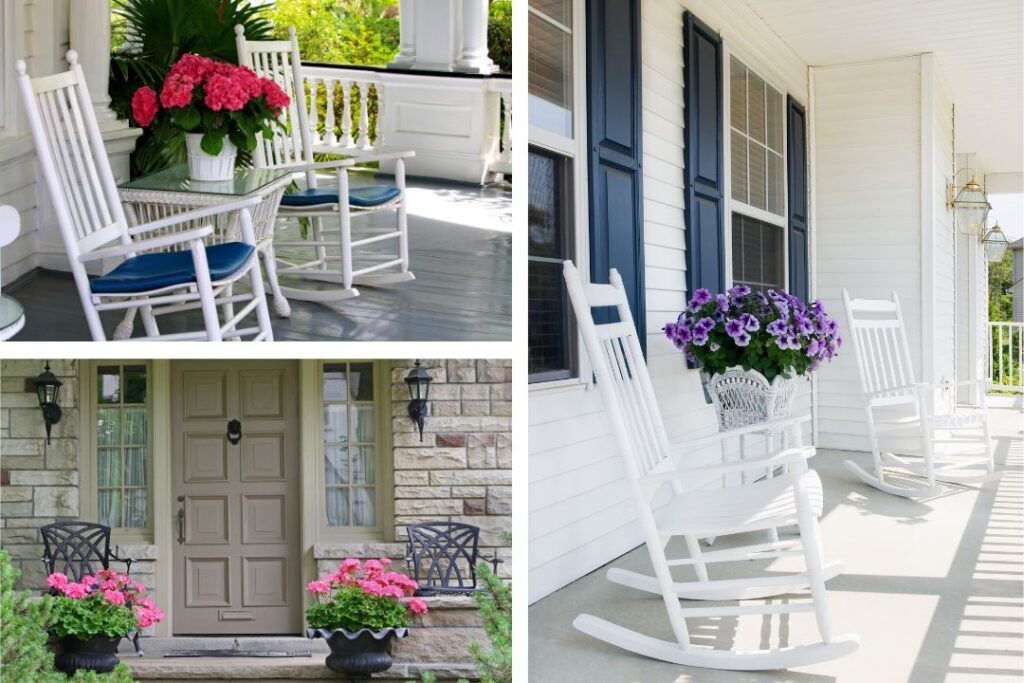
Looking for striking blooms? Hydrangeas, geraniums and petunias are all colorful and eye catching in containers and carry the show all by themselves. With hydrangeas, look for dwarf varieties.
Keep reading for tips on growing plants in containers!
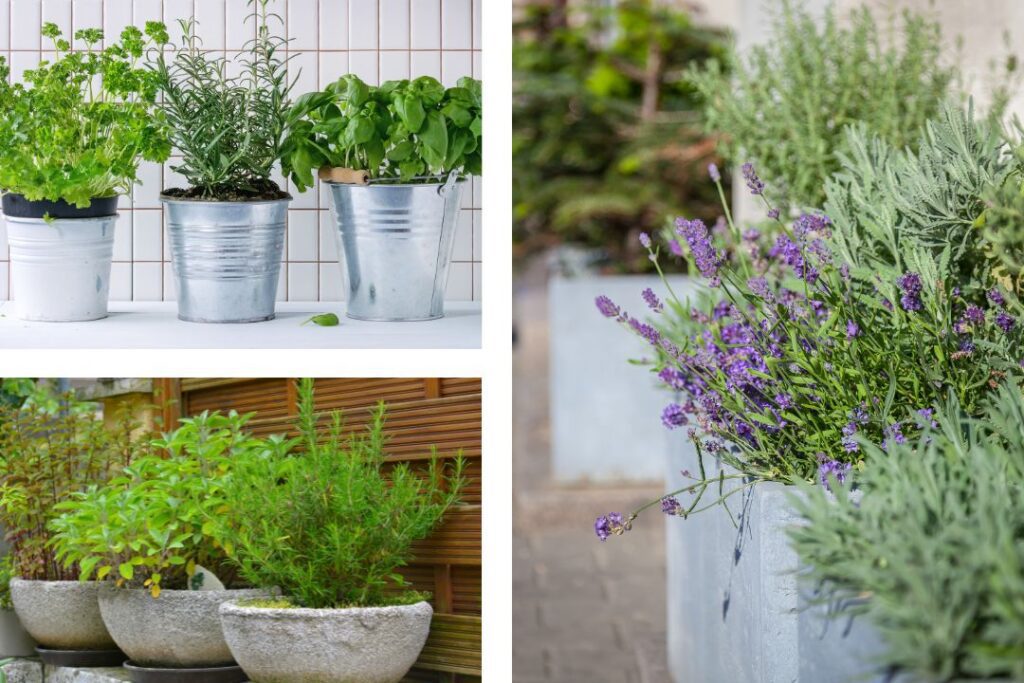
Want to have your plants serve double duty? Try single potted herbs in a collection! Rosemary, lavender, and thyme will look fantastic as individual plants and also provide year-round culinary support in the kitchen. In addition, mint and oregano are prolific spreaders and are better kept in containers anyway.
Ginger Tip: Free Plant List!
I made a list of plants that do well in containers solo. Download a pdf version here.
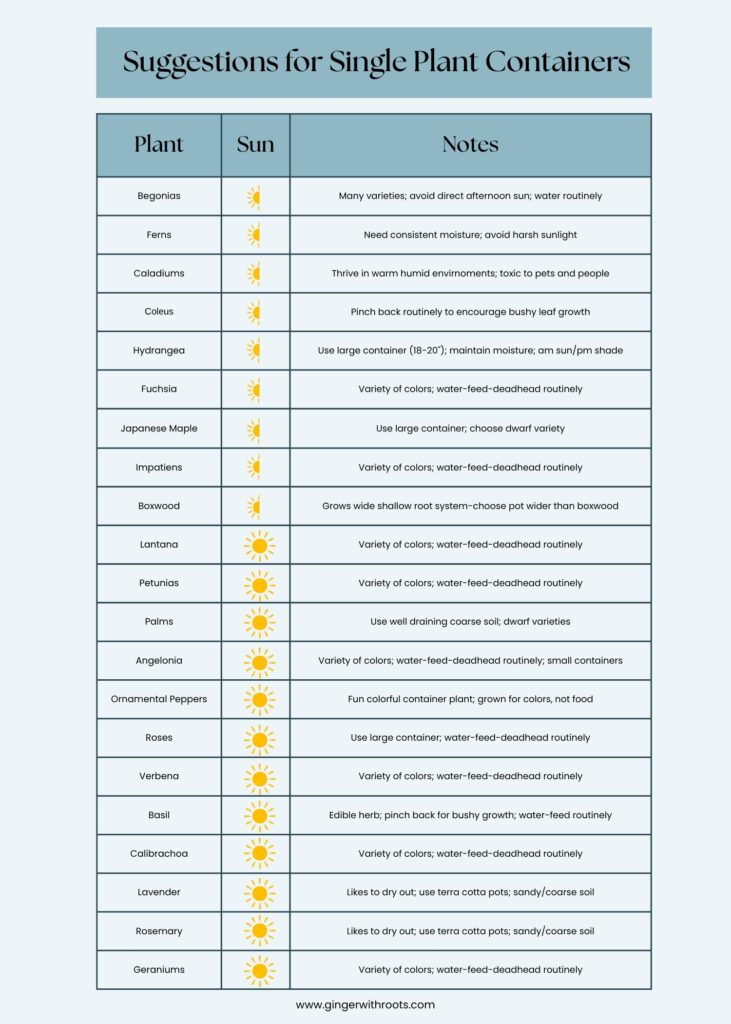
Choosing the Right Container for Single Plants
Take the time now to choose the best container for your individual plants. Consider the following:
- Plant’s mature size
- Plant’s overall shape
- Material of the pot
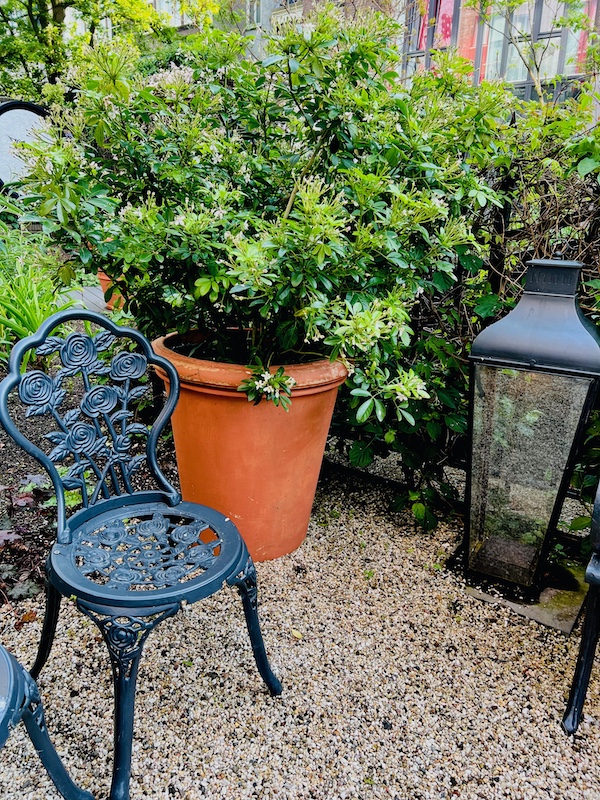
Make sure the container is proportionate to the plant. It looks odd to have a massive planter with one little plant in the center of it. Conversely a large tall plant in a tiny pot is not only aesthetically unappealing, it’s not functional. It might blow over in severe weather, develop root-bound problems and/or dry out too quickly to thrive.
This is the Goldilocks of container gardening-you need to find one that is not too big, not too small, but just right.
The plant’s overall shape helps determine the shape of the pot as well. Picture a nice roundly shaped boxwood in a slightly wider round container or urn shaped one. It’s balanced and pleasing. A topiary boxwood looks nice in a cylindrical or round container. Conical boxwoods are suited for square planters. Experiment with different shapes to see what appeals to your eye.
Container materials matter more than just aesthetics; they affect moisture levels and handle seasonal changes differently.
- Terracotta pots are always attractive, especially when grouped together in different sizes. However, they can dry out faster than ceramic or plastic pots. This is good for preventing root rot, but not for supporting moisture-loving plants. They can also crack in freezing temperatures.
- Plastic or resin pots are lightweight, inexpensive and retain moisture well, but can blow over in windy conditions, fade with weather exposure and not be the best option for edible plants unless they’re food-grade.
- Wood containers are attractive, somewhat durable and hold moisture well. They will rot over time and are limited in style choices. Cedar and redwood will last longer.
- Metal containers are durable and provide modern appeal, but they can be hot in direct sun.
If your budget allows, look at my favorite resource, Agriframes. They have stunning zinc planters perfect for single plant containers.
Design Tips for Single Plant Containers
When arranging single plant containers, your goal is to showcase the plant itself. There a few different ways to achieve this goal.
- Arrange containers of the same material in different sizes or shapes with different individual plants in them (ie: herbs).
- In contrast, a more casual arrangement would be the opposite- the same individual plant in multiple pots of varying size and material.
- Pair matching containers in symmetry by the front door (ie: boxwood topiaries).
- Choose one large planter with one large plant as a focal point on the patio or in the garden (ie: citrus tree)
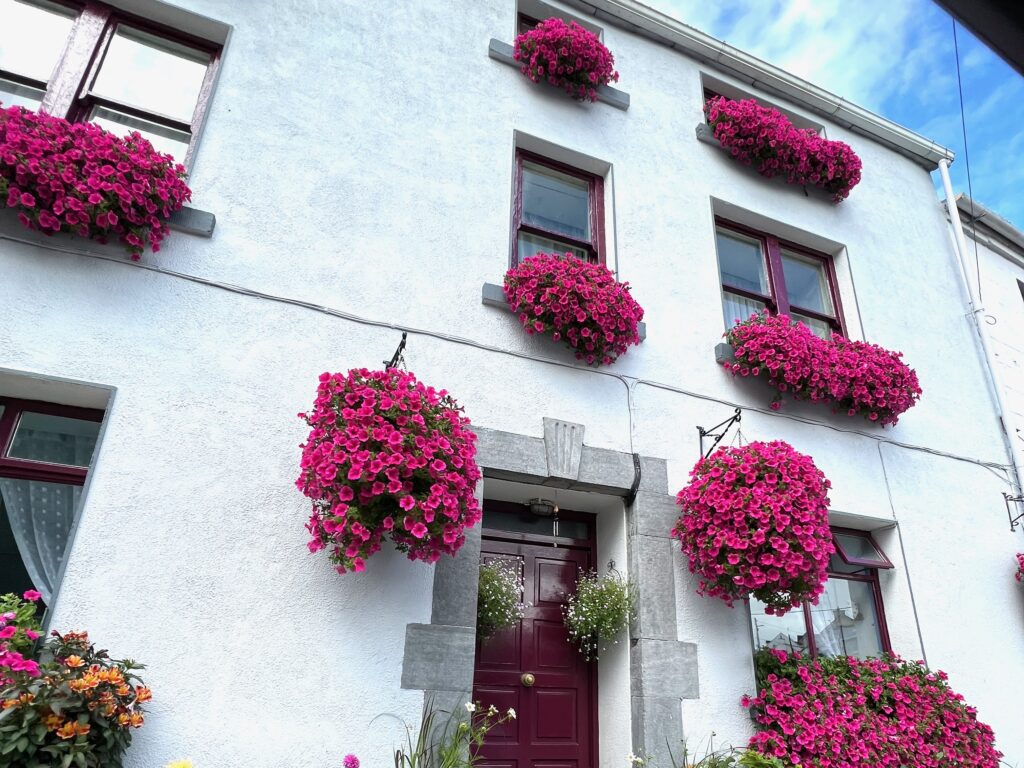
I discovered this building on a trip to Ireland and almost went off the road which is definitely something you do NOT want to do on the narrow streets of Ireland! But WOW, you can understand, right? I mean it looks like AI created this image; I assure you it is real!
Simple Container Growing Tips for Success
If your container is large, it will be heavy once it is filled with soil. Plan ahead with planter feet or rolling plant caddies. These will allow for better drainage and moving it around if needed.
Make sure your pot has drainage holes! If it doesn’t, the water fills up like a tub and drowns the plant. Ask me how I know…
Ginger Tip!
If you find the perfect container, but it doesn’t have drainage holes–use a drill bit designed for ceramic or porcelain and drill your own holes!
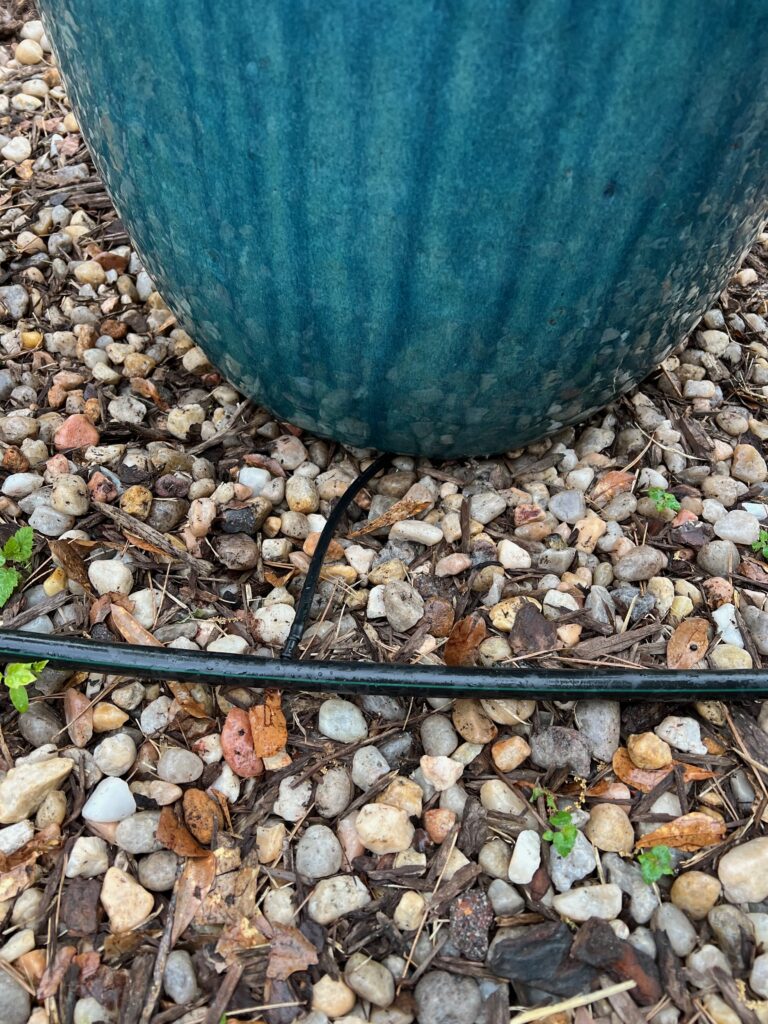
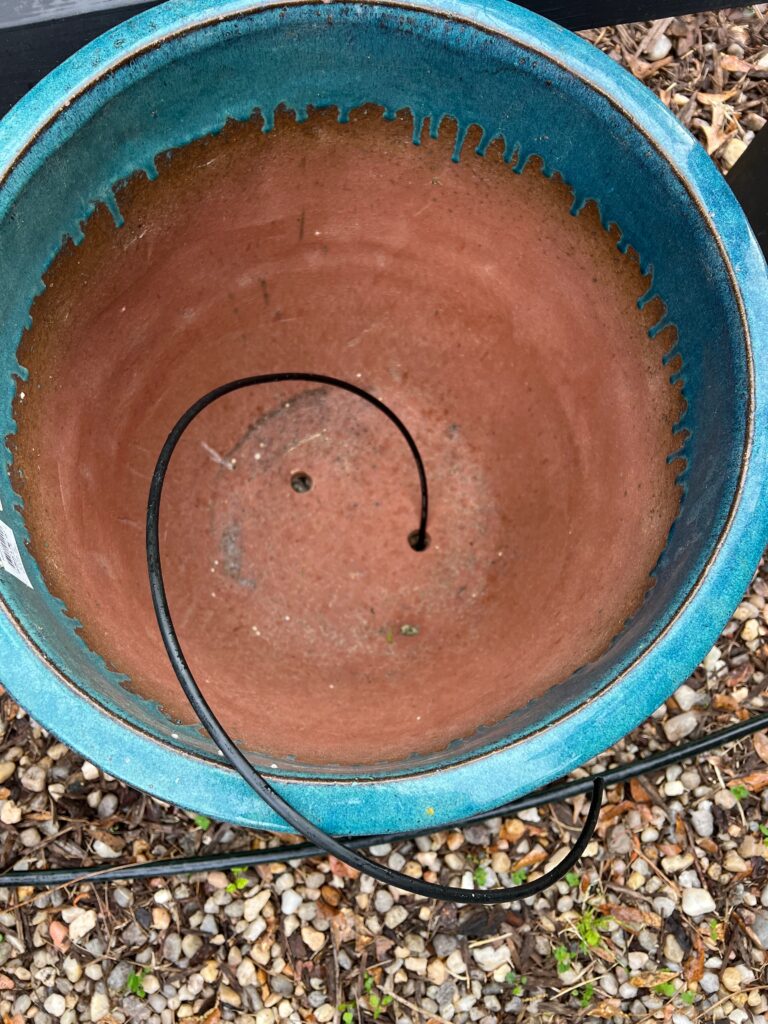
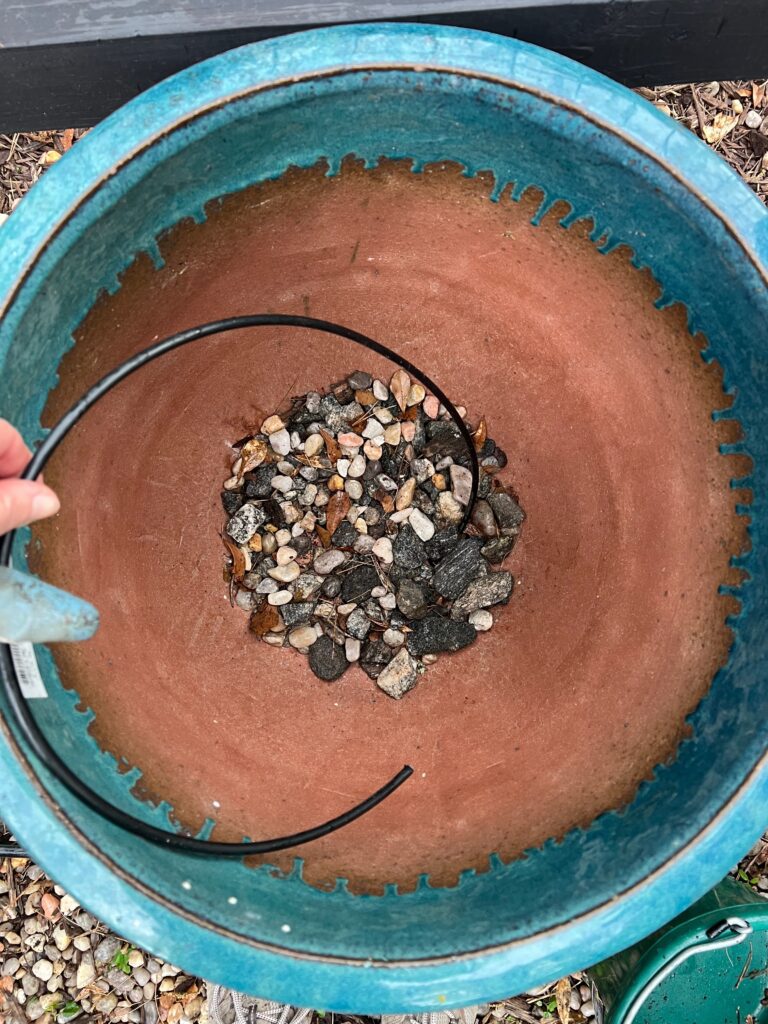
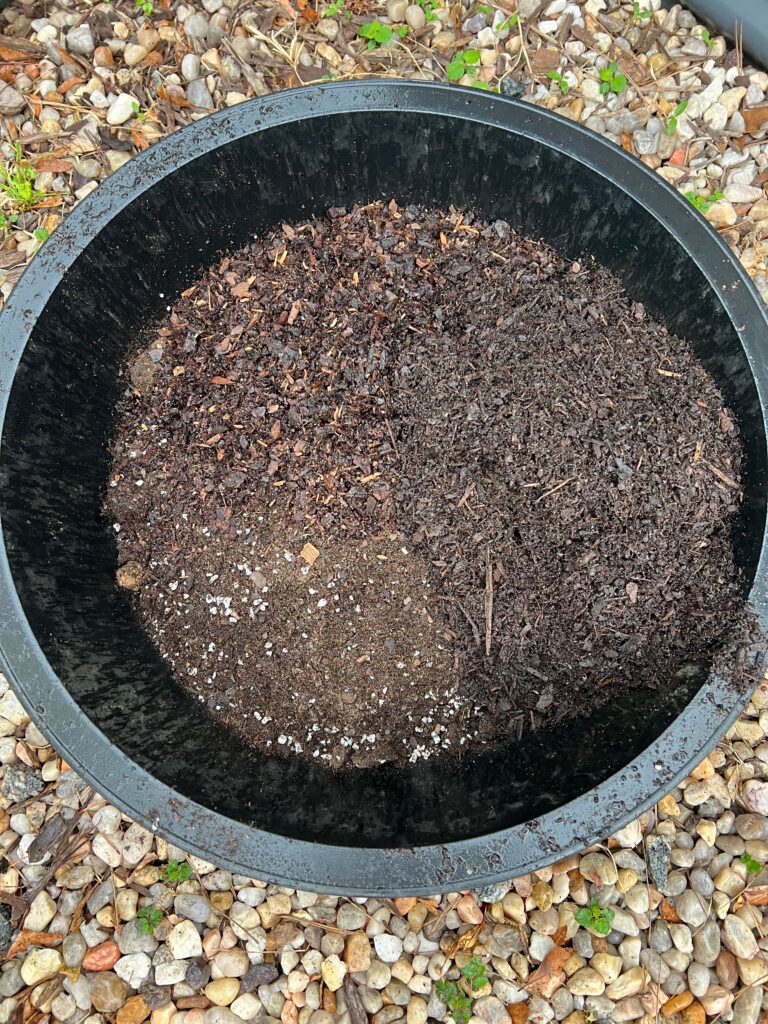
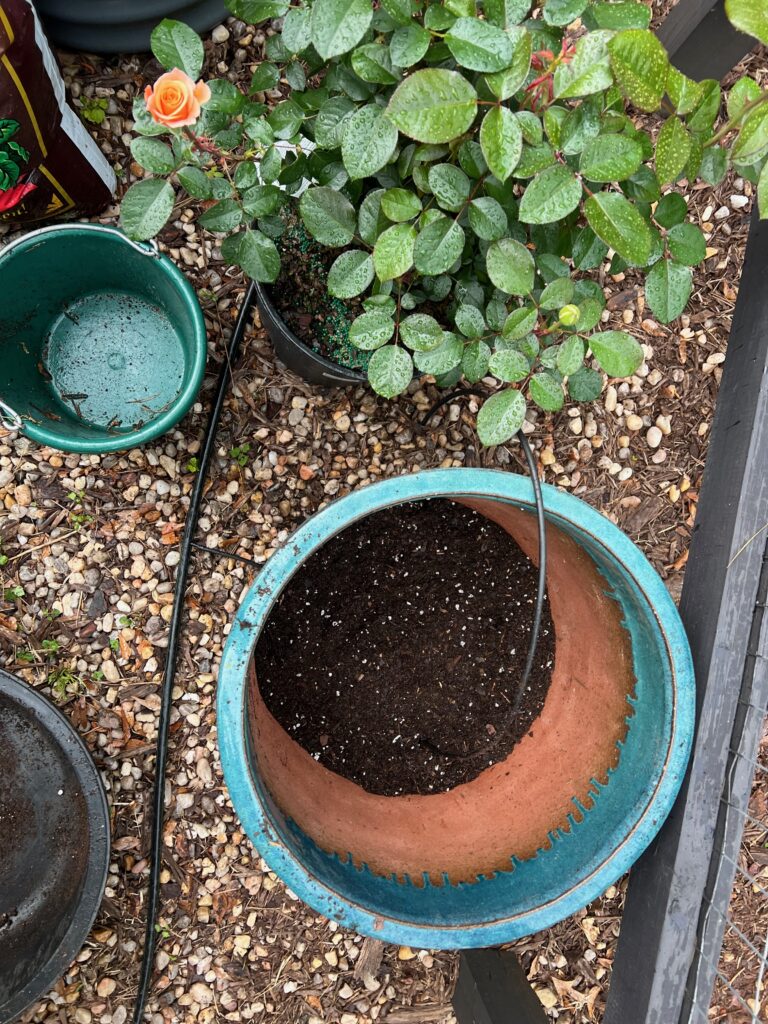
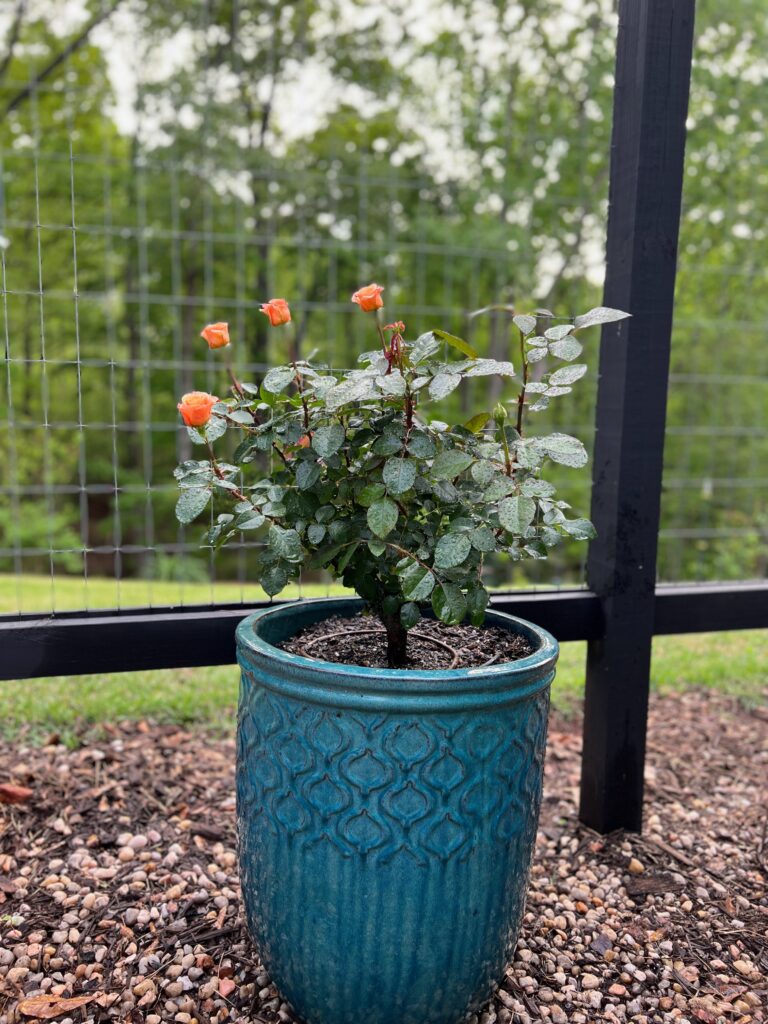
If you have access to drip irrigation, run a drip line up through the bottom of the container BEFORE you fill it with soil and your plant. This hides the tubing.
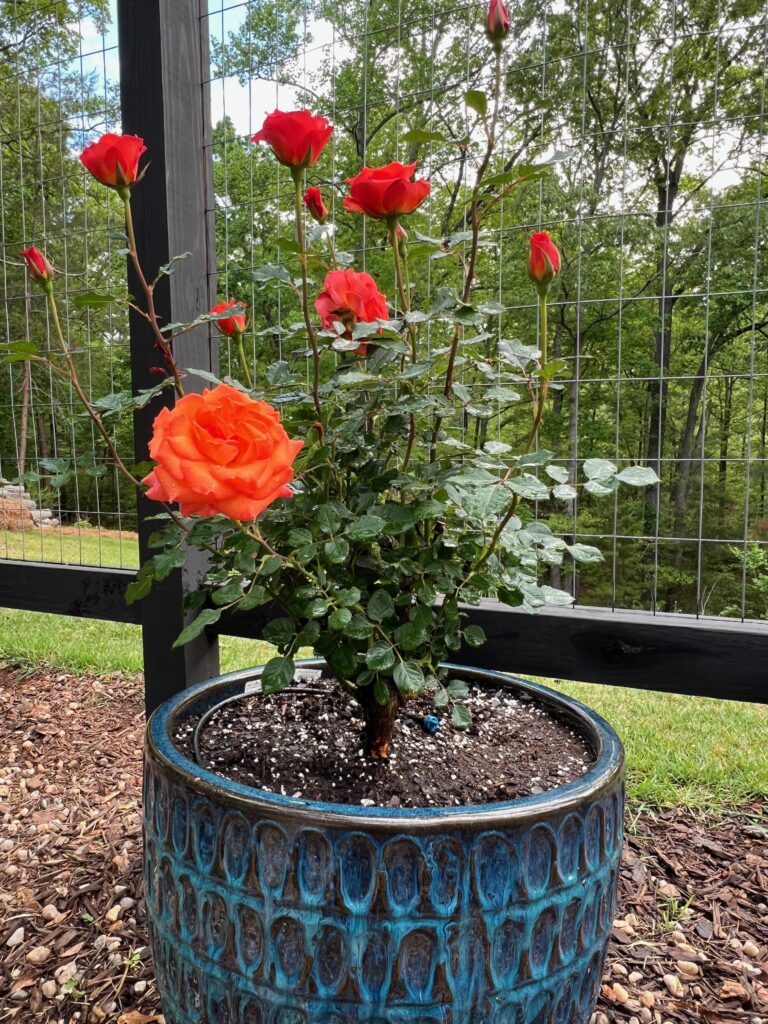
And in case you’re wondering, this gorgeous rose bush is called “Gingersnap” so of course I planted it!
Read all about installing drip irrigation in my post: Easy Step by Step Drip Irrigation for Raised Beds and do it yourself!

Fertilize regularly during the growing season. Each plant is different so pay attention to their individual needs, but most plants in containers are watered more frequently and therefore flush their nutrients out faster. Feed you plants!
Conclusion: Single Plant Containers for the Win?
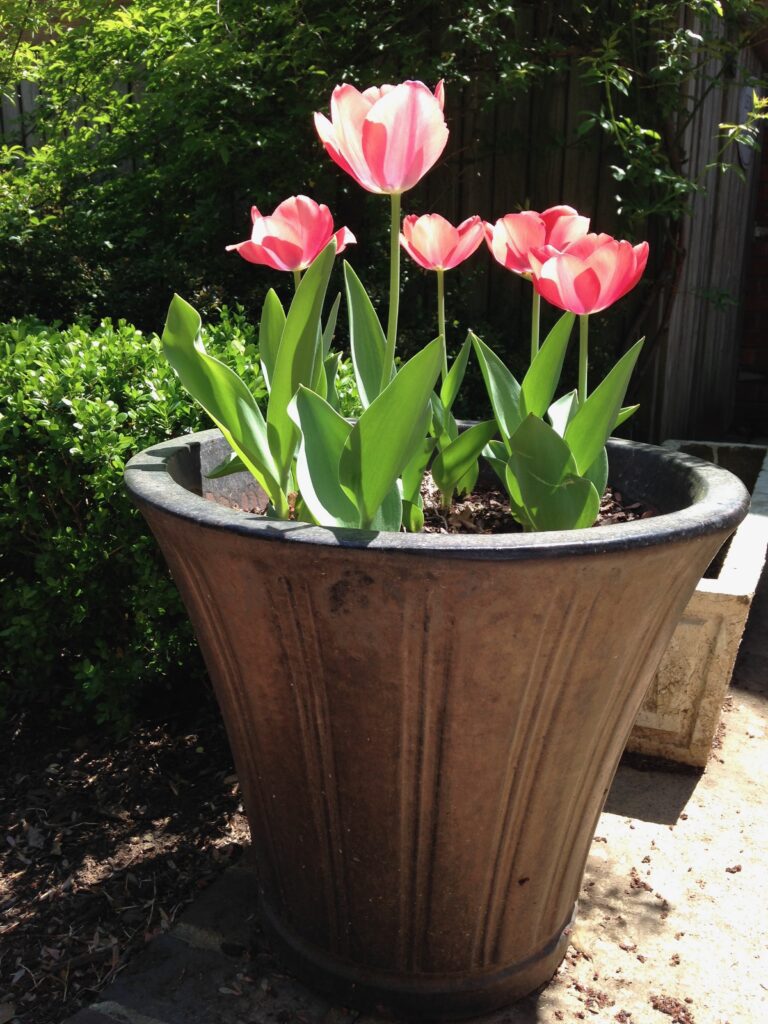
Gardening doesn’t have to be complex. Planters don’t have to be wildly overloaded to be intriguing. Sometimes the simplest container with a single plant steals the show.
What do you think? Drop a comment and share your opinion!


