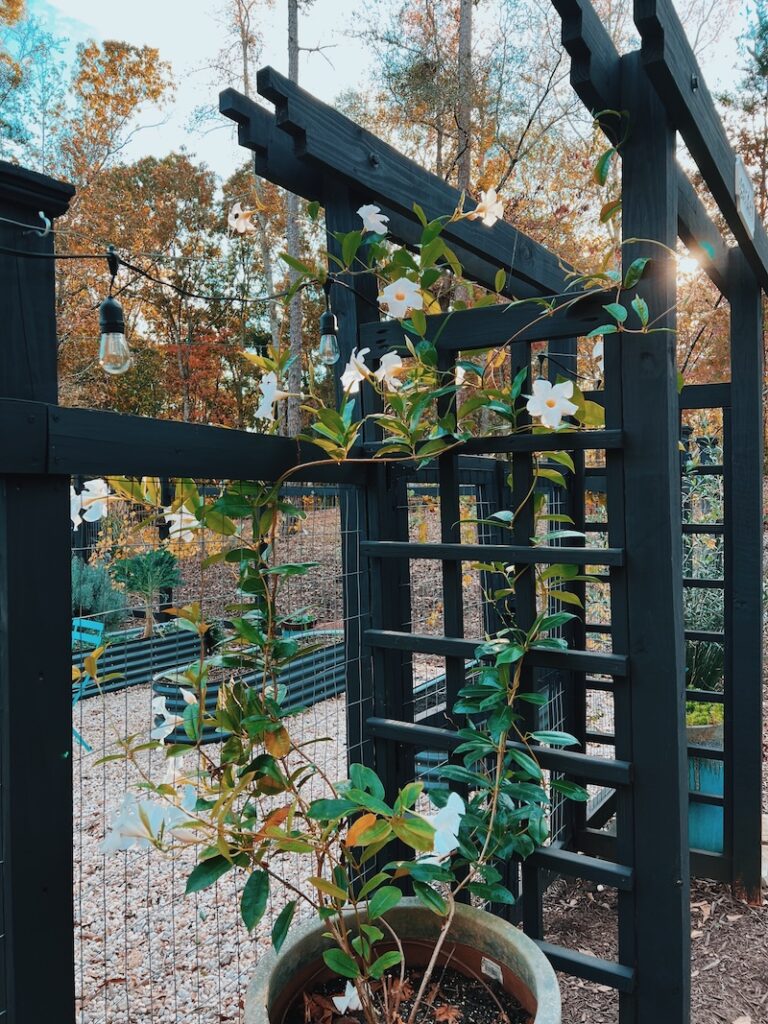
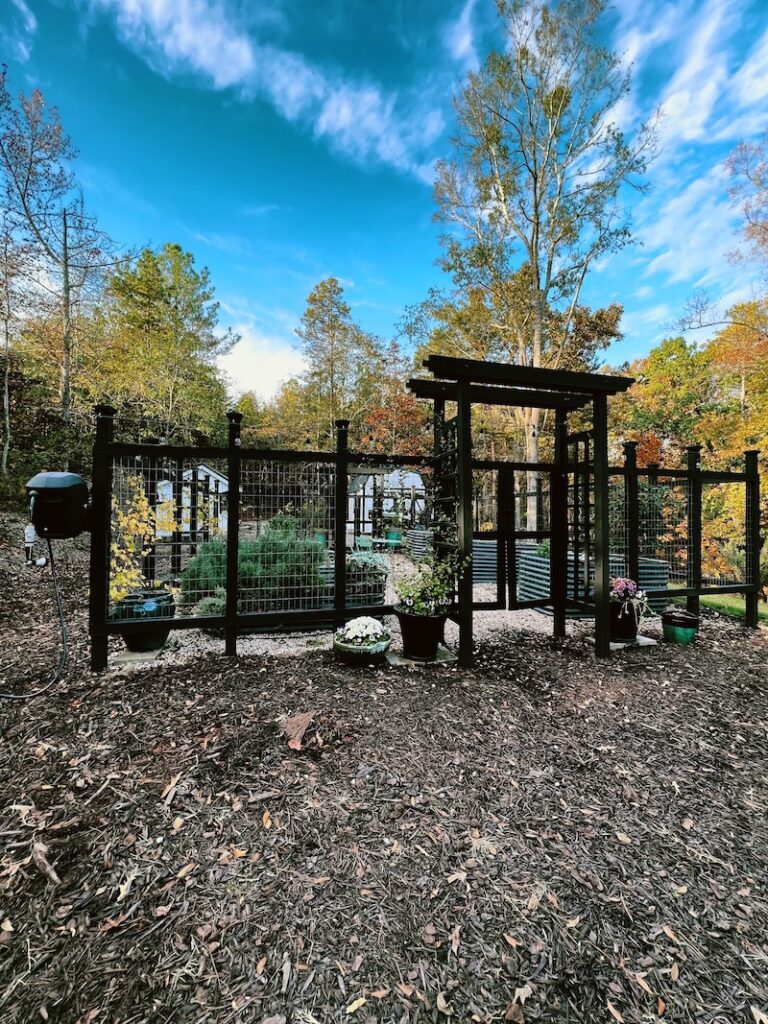
How to Prepare Garden Beds for Winter: A Fall Checklist
As the growing season winds down, it’s time to prepare the garden beds for winter. A little fall cleanup now helps protect the soil, reduce pests and disease, and gives next spring’s garden a healthier start.

However, preparing a garden for winter doesn’t mean stripping every bed bare. Some vegetables and herbs can continue growing, fallen leaves can become valuable mulch, and a layer of compost can spend the winter improving the soil.
Remember the story Goodnight Moon? That’s a little how I feel this time of year. As I make my way around the garden, I find myself saying goodnight to each part of it: ‘goodnight raised beds, goodnight flowers, goodnight garden tools.’
I always have mixed feelings about it. This Florida girl still isn’t a fan of cold weather, but after months of planting, watering, harvesting and battling whatever pest has discovered my garden this week, I’m ready for a slower pace too.
So, let’s walk through the garden together and put it to bed for winter.
When Should You Prepare Garden Beds for Winter?
You don’t have to wait for the first hard freeze to start your fall garden cleanup. I begin working through individual beds as warm-season vegetables finish producing.
Tomatoes, cucumbers, beans, squash, and other summer crops can be removed as they decline, while cool-season vegetables and hardy herbs can stay in the garden much longer.
Ginger with Roots Tip!
Don’t feel pressured to put the entire garden to bed in one weekend. Work through one bed at a time as plants finish for the season.
How to Prepare Garden Beds for Winter
My goal isn’t to make the garden perfectly tidy. I want to remove potential problems, replenish the soil, and protect it until I’m ready to plant again.
Remove Spent Vegetable Plants
Start by removing vegetable plants that have stopped producing, along with fallen or rotting fruit and weeds.
Healthy plant material can go into the compost pile. Plants that show signs of disease or a serious pest infestation are better removed from the garden rather than returned to a backyard compost pile.
This is also a good time to pull weeds before they have a chance to drop more seeds into your beds.
Add Compost to Your Garden
Once a bed is cleared, I add a layer of finished compost to replenish some of the organic matter used during the growing season.
There’s no need to completely turn over the soil. I prefer to add the compost to the surface and let soil organisms and winter weather do much of the work for me.
Cover Bare Soil
I don’t like leaving my raised-bed soil completely bare all winter. A layer of organic material helps protect the soil from winter weather and gradually breaks down.
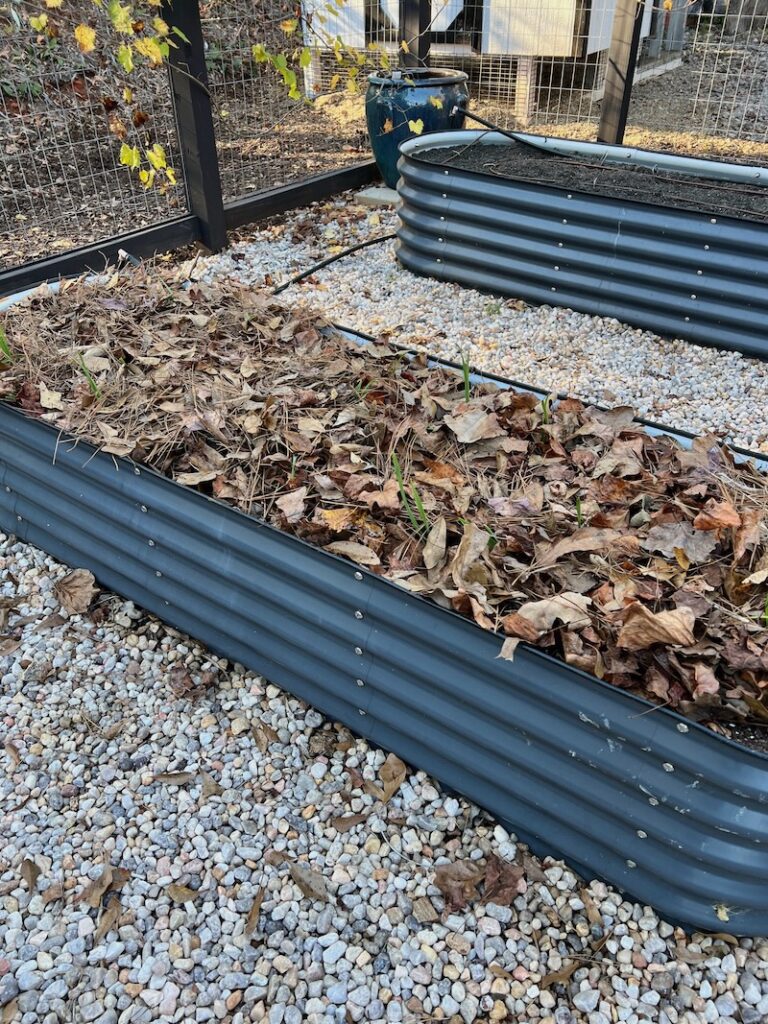
Shredded leaves are one of my favorite options because they’re plentiful around our property and they’re free! Here is an excellent explanation about using leaves to make leaf mold which is basically free compost from fallen leaves.
You can also use finished homemade or purchased compost or clean straw.
Turn Empty Raised Beds into Mini Compost Piles
Four of my seven raised beds are usually empty during winter, and these get what I jokingly call their annual spa treatment.
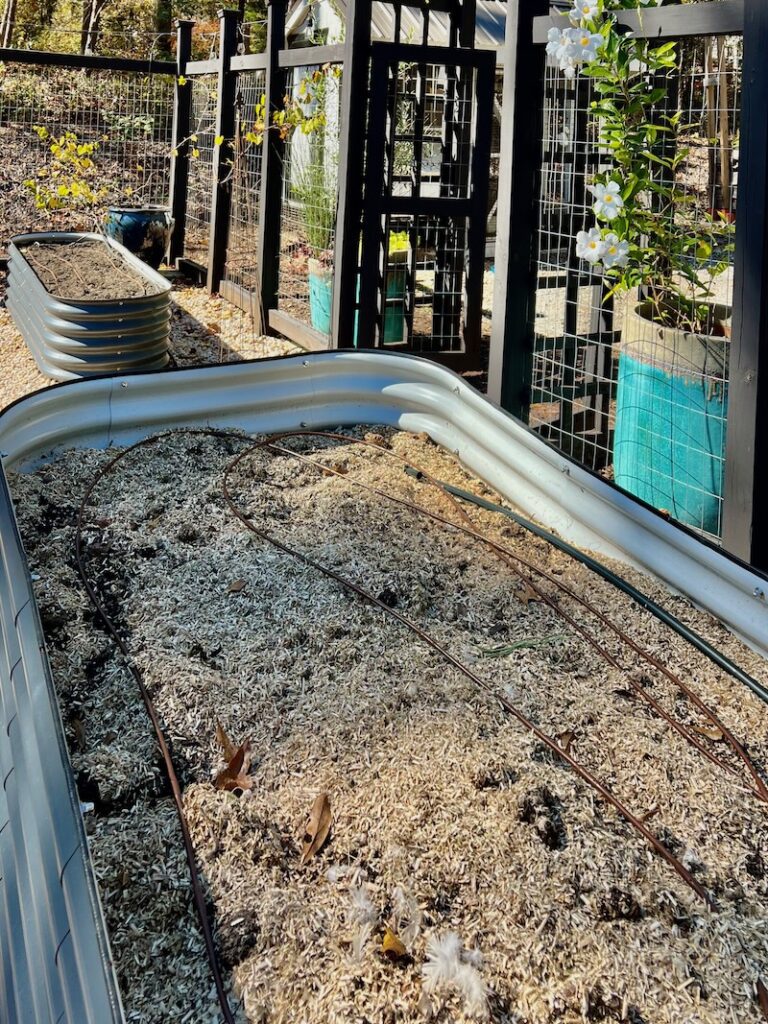
After removing the spent plants, I add a layer of used bedding from the chicken coop followed by shredded leaves. Instead of hauling everything somewhere else to compost, I let the garden bed act like a mini compost pile.
Over the winter, the organic materials begin breaking down and adding nutrients and organic matter back to the bed. By spring, I have a much better starting point for the next growing season.
If you use chicken manure in the garden, remember that fresh manure needs time to age before planting edible crops. Fall gives it several months to begin breaking down before spring planting.
What Can Stay in the Garden Over Winter?
Putting the garden to bed doesn’t mean everything has to stop growing.
Hardy Herbs
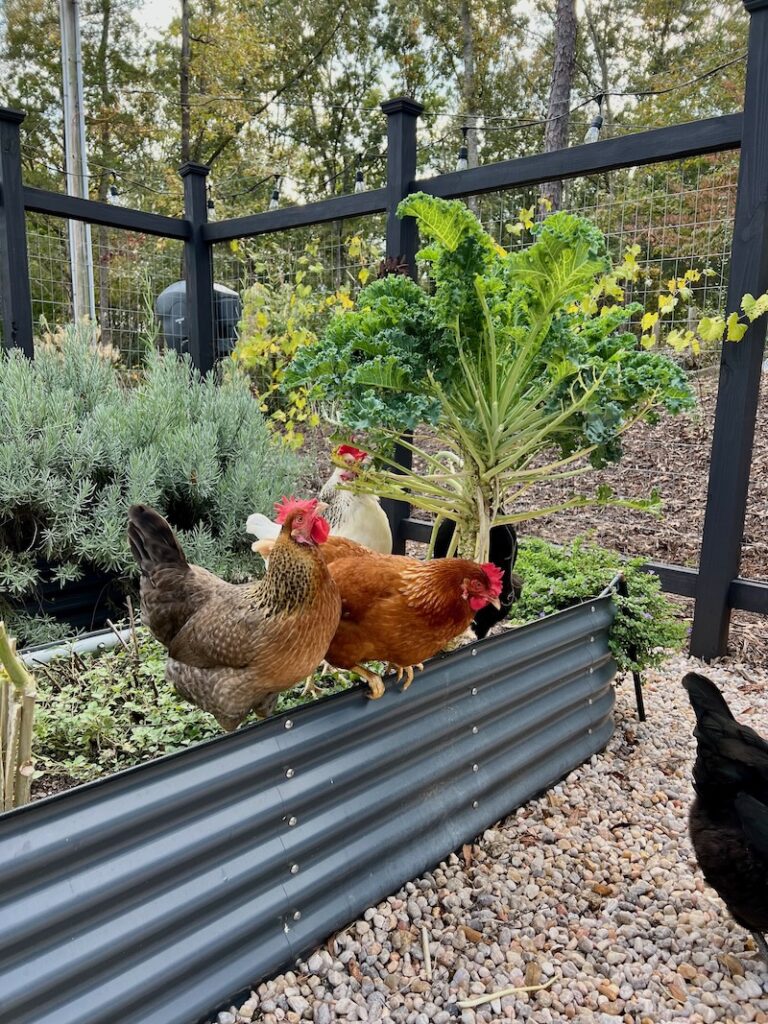
My kitchen herb bed contains sage, thyme, rosemary, oregano and lavender which can withstand the cold here in South Carolina. So the girls and I gave everything a nice haircut, added some compost and a nice blanket of mulch. Mother Nature will do the rest.
Always check the cold hardiness of individual herbs for your own growing zone before deciding what can remain outdoors.
Cool Season Vegetables
Lettuce and other cool-season vegetables appreciate the cooler temperatures of fall and may continue producing well after summer vegetables are finished.
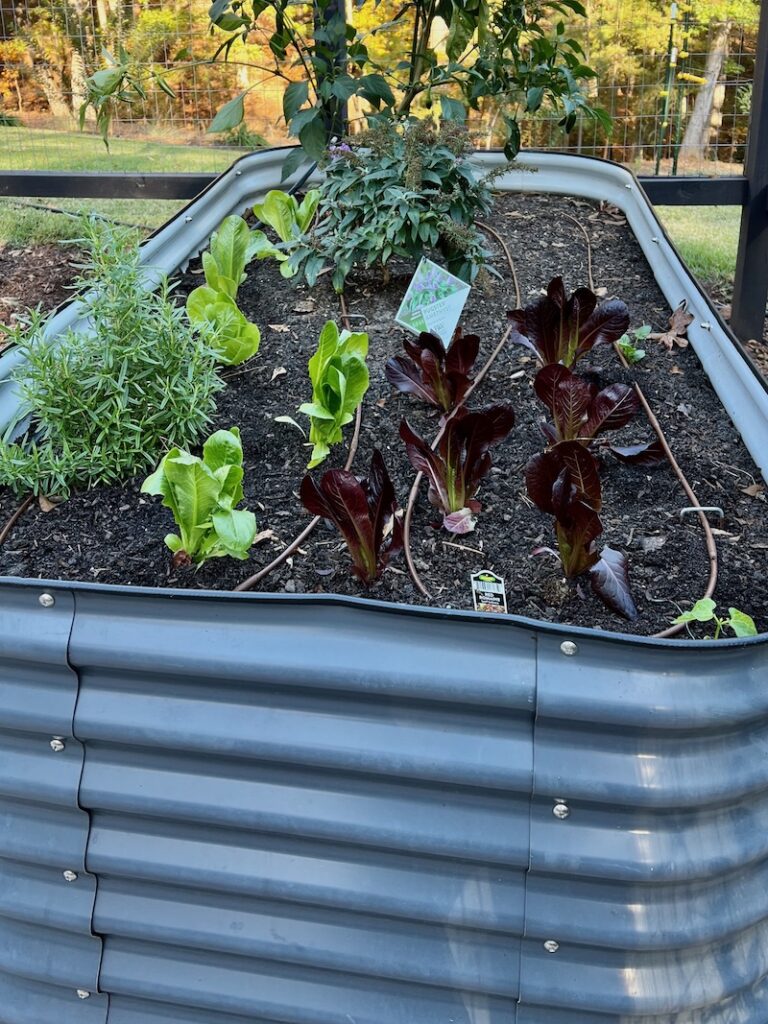
Depending on your climate, a simple frost cover or cold frame can extend the harvest even longer.
Garlic
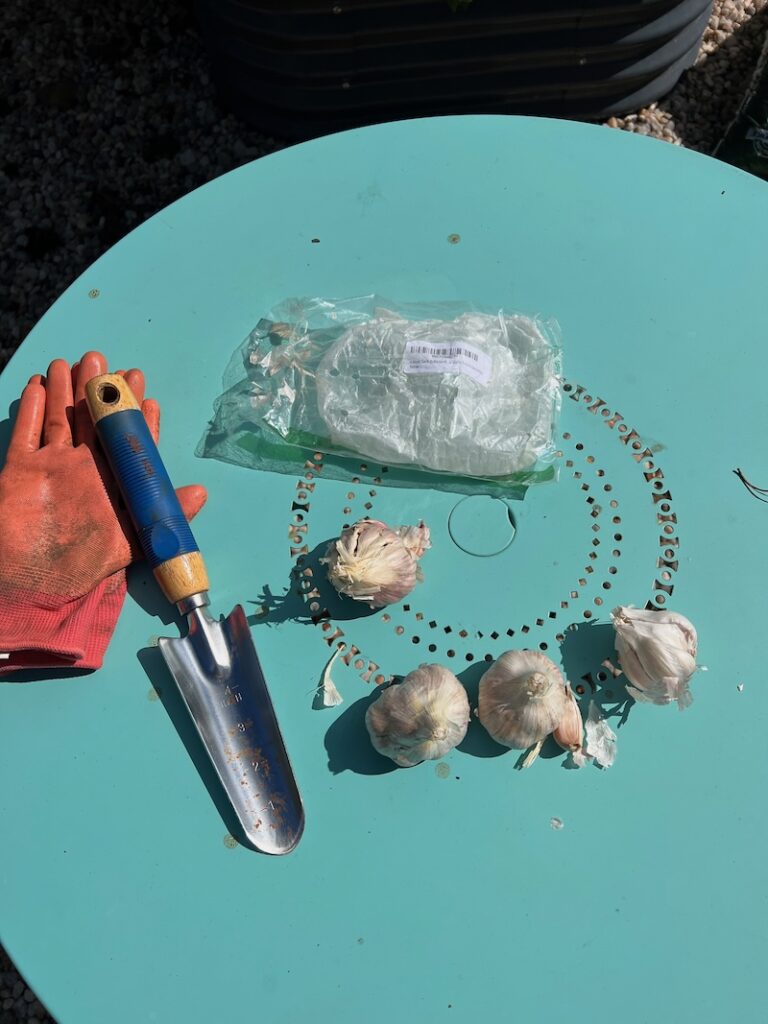
Fall is also garlic-planting time.
I like using a bed that held beans or peas during the summer. Once the old plants are removed, I add compost and plant garlic cloves that will spend the winter developing roots before taking off again in spring.
It’s a nice reminder that even while most of the garden is going to sleep, next year’s harvest is already beginning.
Plant Spring-Flowering Bulbs
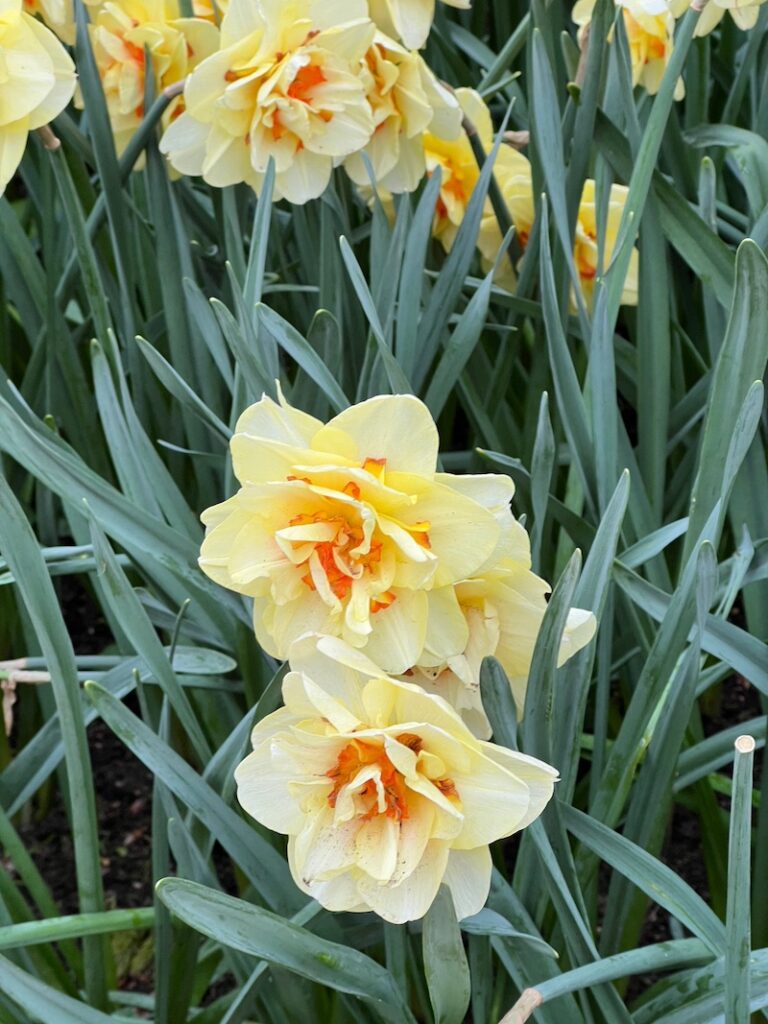
While I’m working outside, I also plant spring-flowering bulbs.
Living on 8 acres with deer, squirrels, chipmunks, and apparently now armadillos has its challenges for sure. Everything I plant is chosen carefully as deer resistant and planted with a prayer that it survives.
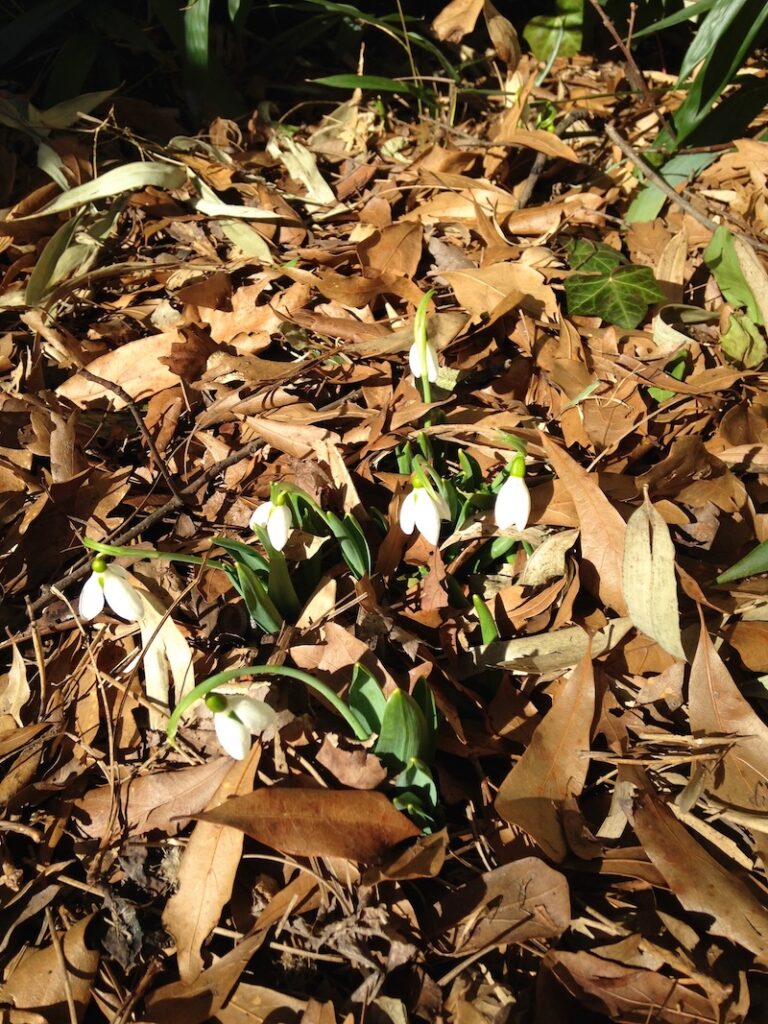
We shall see in the spring if the daffodils, crocuses, hyacinths, snowdrops, and alliums emerge. Fingers crossed!
Winterize Garden Tools and Irrigation
The garden beds aren’t the only things that need attention before freezing temperatures arrive.
Once the growing season is over, I tackle these tasks:
- Remove and clean trellises, stakes, and plant clips.
- Drain garden hoses and drip-irrigation lines.
- Clean and store watering equipment that shouldn’t remain outside during freezing weather.
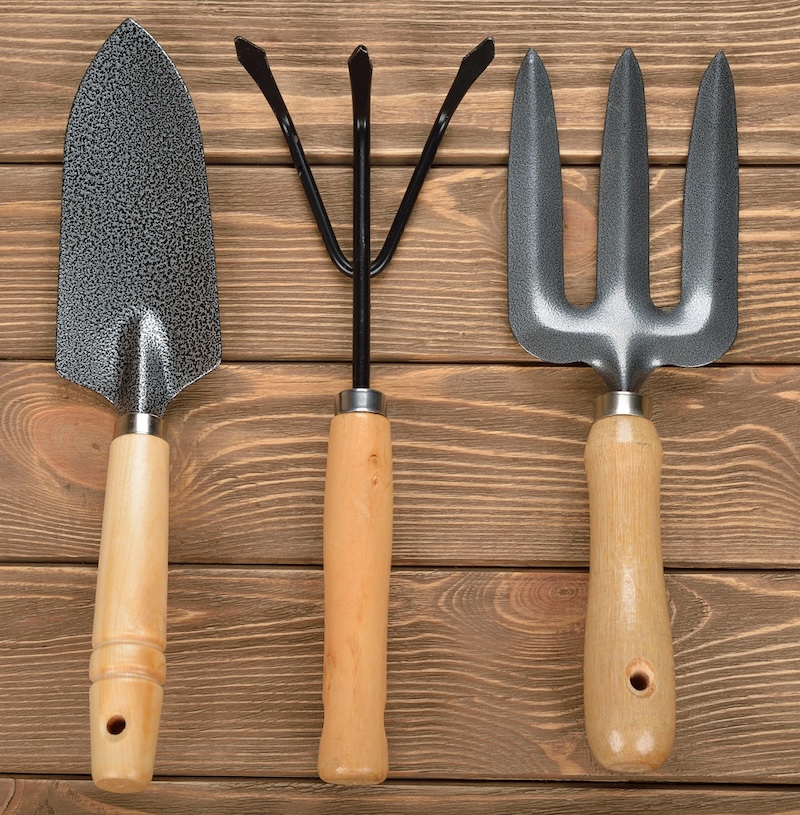
- Clean dirt and plant debris from hand tools.
- Clean and oil pruners and clippers before storing them.
I especially like getting the hoses drained before temperatures get too cold. They’re much easier to work with while they’re still flexible.
Winter is also a great time to organize the garden shed, sharpen tools, order seeds, and start dreaming about next year.
Fall Garden Bed Checklist
Fall Garden Bed Checklist
Goodnight, Little Garden
I love what my mom texted me while I was lamenting the end of the summer season:
“Now the soil can rest and replenish for next year – hiding little secret volunteer surprises for spring!”
The same goes for us as well. Time for rest and replenishment.
There’s a season for planting, growing, harvesting and resting.
So I take a few final photos of the garden, close the gates and say, “Goodnight, little garden.”
Spring will be here before we know it.