How to Grow Kale and 3 Easy Ways to Use It in the Kitchen
Learn how to grow kale in the kitchen garden, harvest it while it keeps growing and then use it in simple recipes the whole family will love! This is your complete garden to table guide for kale.

Why Grow Kale in Your Garden?
Kale is a super beginner vegetable for the kitchen garden. It’s easy to grow and loaded with lots of vitamins (think vitamin K, C, A and more). Your immune system, eyes and bones will thank you!
I love its growth habit. Kale is a “cut and come again” plant. That means you can harvest some kale leaves and the plant will produce some more.
This is a big bonus because it is a cool season plant. We plant kale in the early spring (4-6 weeks before last frost) and it can last into summer. Then we plant kale again in the fall (6-8 weeks before the first frost) for another season!
Finally, if those are not good enough reasons – I also grow kale because it’s attractive in the garden. The leaves can be thick and curly with a beautiful greenish blue tinge or sometimes purplish. Texture and color are always desired.
3 Types of Kale to Grow
There are basically two types of kale that are considered heirloom varieties and a third type that is a hybrid kale. Within all three types are multiple varieties. Let’s look at all three.
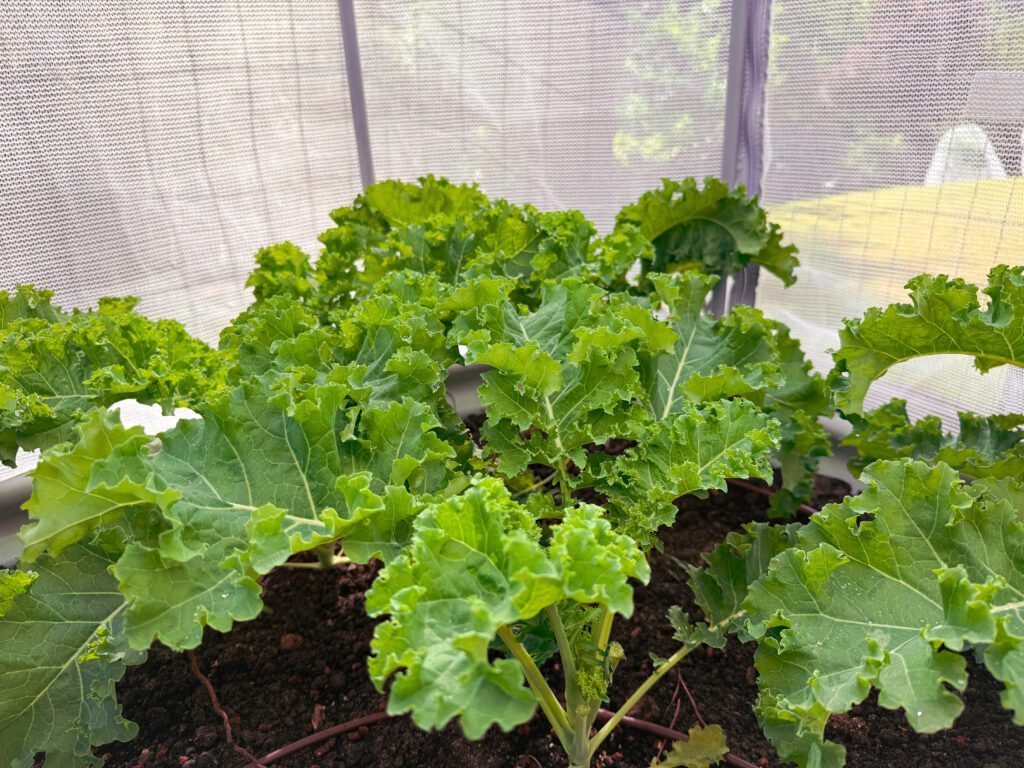
Curly Leaf Kale
Curly leaf kale has ruffly edged leaves just like its name suggests. It typically has bluish green leaves and is what you normally find for sale in the grocery store.
Curly leaf kale is used for kale chips, soups, sautés, salads and smoothies. Remove the tough stem before using and massage the thick leaves before eating raw.
Try this smaller variety: Botanical Interests Dwarf Blue Curled Kale Seeds. It’s extremely hardy.
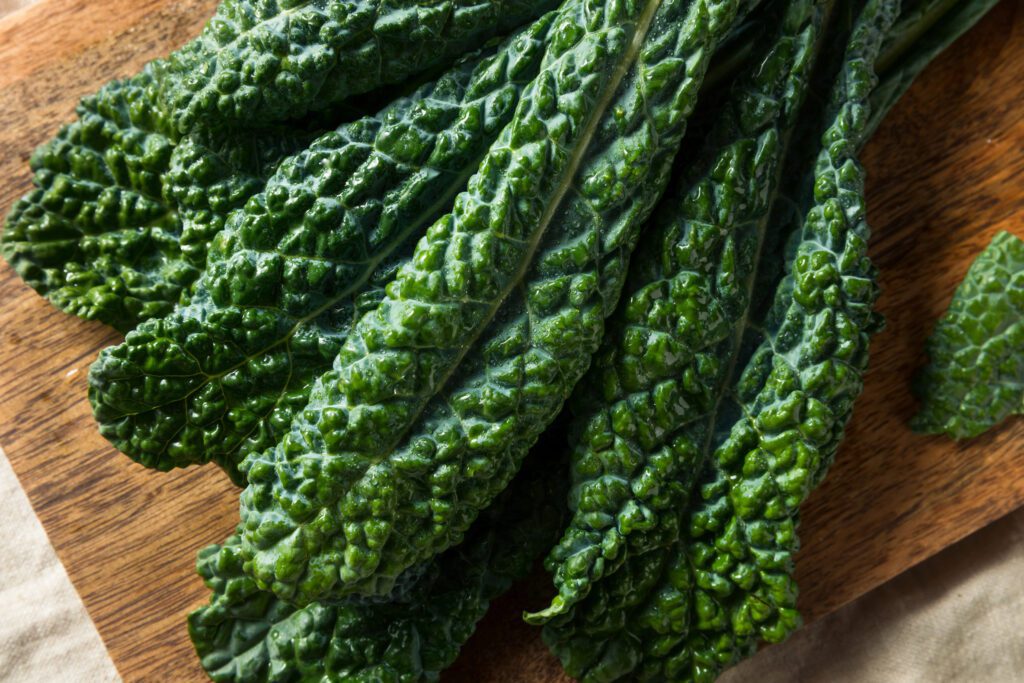
Lacinato Kale (aka: Dinosaur Kale or Tuscan Kale)
Slightly more tender than curly leaf kale, lacinato kale has long spear shaped leaves.
It’s great for soups and sautés, braising, and salads (again massage the leaves with dressing for 1-2 minutes before eating).
Plus, it’s fun to say- it sounds like a Harry Potter spell 🙂
Try Botanical Interests Lacinto Kale Seeds in your garden.
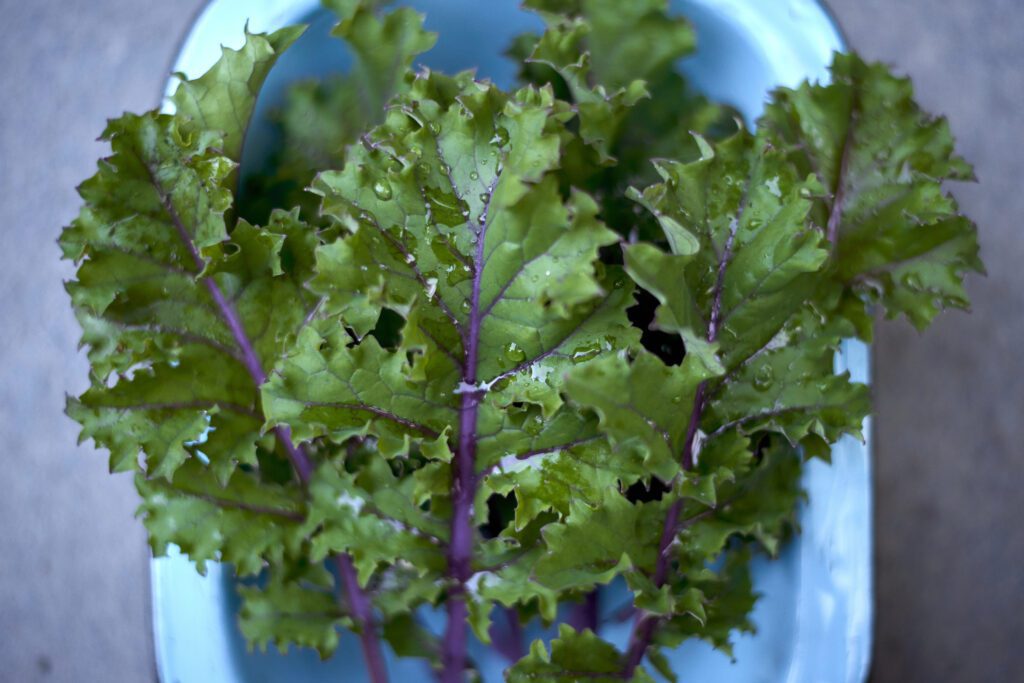
Siberian or Russian Kale (hybrid variety)
Russian kale is sweeter and milder than its cousins and has leaves that are flatter with more of an an oak leaf shape. The edges can have a slight curl or fringe. Dare I say it is somewhat of a ‘gourmet’ kale?
This tender kale is used in salads and fresh eating, smoothies and sautés.
Botanical Interests Red Russian Kale Seeds are an excellent choice.
Can’t decide which kale to grow? Try this packet with all three in it: Botanical Interests Premier Blend Kale Seeds.
With all varieties of kale, there are three steps to take before using:
- Wash and dry thoroughly.
- Remove the tough stem and discard.
- Massage the chopped leaves with your hands 1-2 minutes to reduce bitterness and chewiness.
How to Grow Kale
Growing kale is fairly easy, perfect for beginner gardeners. There are a few pointers to share to help grow a consistent good harvest of kale.
When to Grow Kale
Like I said earlier, kale is a cool season crop.
- Plant seeds in early spring 4-6 weeks before your last frost date and again for the fall 6-8 weeks before the first frost date.
You can also do like I did this past spring and pick up some starter plants at the nursery. Sometimes life just happens and we miss the window for planting seeds! There’s nothing wrong with buying seedlings!
Where to Grow Kale
- Grow kale in full sun to partial shade in nutrient rich soil.
- Space plants 12-18 inches apart
I prefer to grow kale in my raised bed kitchen garden where I use drip irrigation for consistent watering and soil amended with compost. Read about my garden in my post Enclosed Kitchen Garden.
Pests and Kale
Kale is susceptible to cabbage worms, small light green velvety caterpillars that come from cabbage moths. They chew the leaves and poop all over the kale, so keep watch and take steps to prevent them.
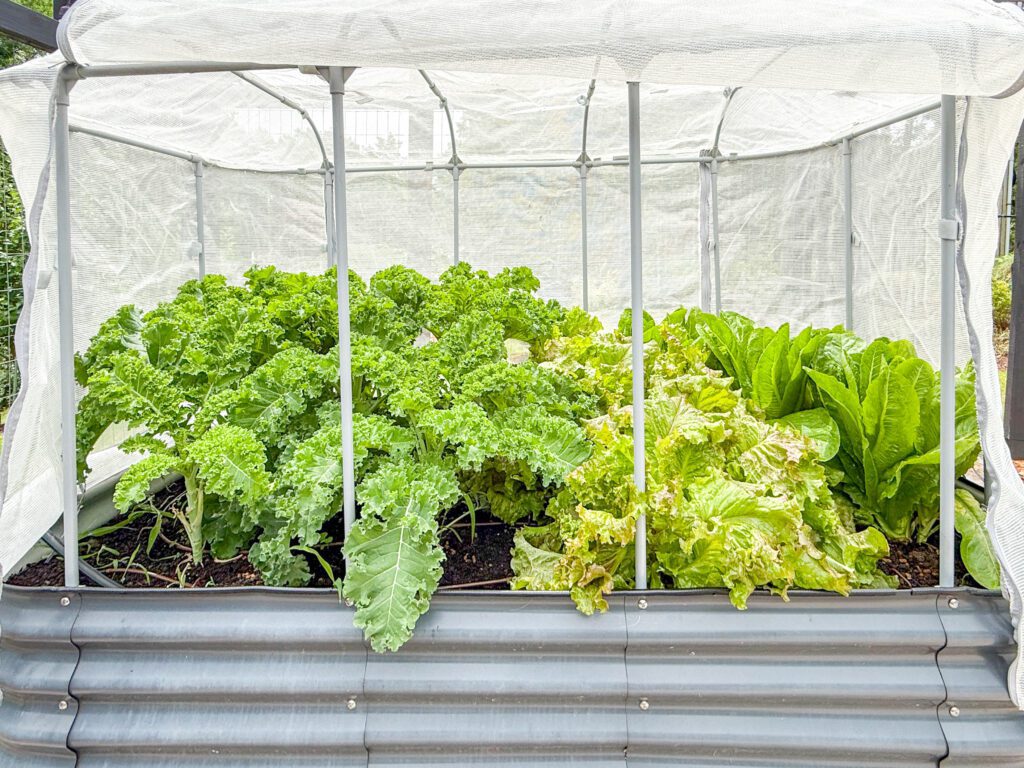
I use these mesh covers designed for my Vego raised beds to prevent the little white cabbage moths from laying eggs on the kale in the first place. If they still manage to make an appearance, I use Bt to treat.
I’ve read that you can sprinkle cornmeal on the leaves; the worms will eat it, swell up and die. However, I have not tried this personally. Drop a comment below if you have!
When to Harvest Kale
Depending on the variety of kale you are growing, harvest dates could be 50-70 days to full maturity. If you want baby kale leaves, harvest around 25-30 days. I recommend waiting until maturity to have a plant that keeps producing after you harvest.
The trick is to snip kale leaves that are about the size of the palm of your hand or larger. Cut from the outside layers down lower on the stalk and work your way up. Leave the inner leaves to keep the plant growing.
I’ve been able to keep harvesting kale that was planted in early spring right into the summer season. Once it gets overwhelmed by the heat, I let my chickens enjoy it!
How to Store Fresh Kale
I like to give my kale a quick rinse and store in a large plastic storage bag with a paper towel inside it. Plan to use it in 5-7 days; the sooner the better.
Ginger with Roots Tip!
Save plastic containers from the grocery store when you buy spinach or arugula. They are perfect for storing your own homegrown greens like kale!
You can also freeze kale! Wash and blanche in boiling water for two minutes and then dunk in ice bath. Spin dry in a salad spinner and then freeze in a freezer storage bag. It can be frozen up to a year and will be perfect for soups, stews and smoothies.
Getting hungry yet? Let’s look at some easy recipes using kale fresh from the kitchen garden!
How to Use Fresh Kale from the Garden
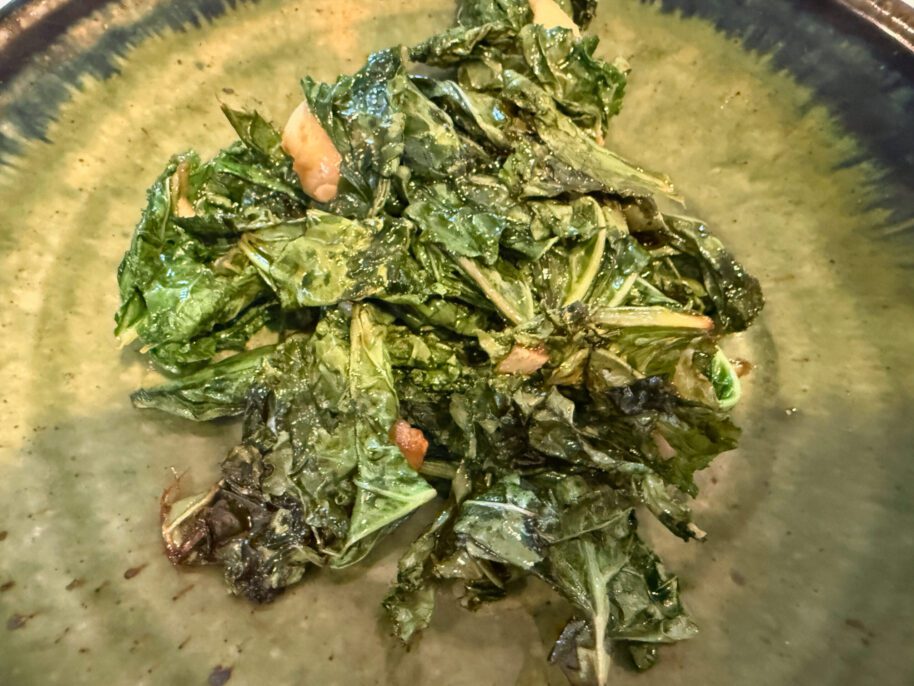
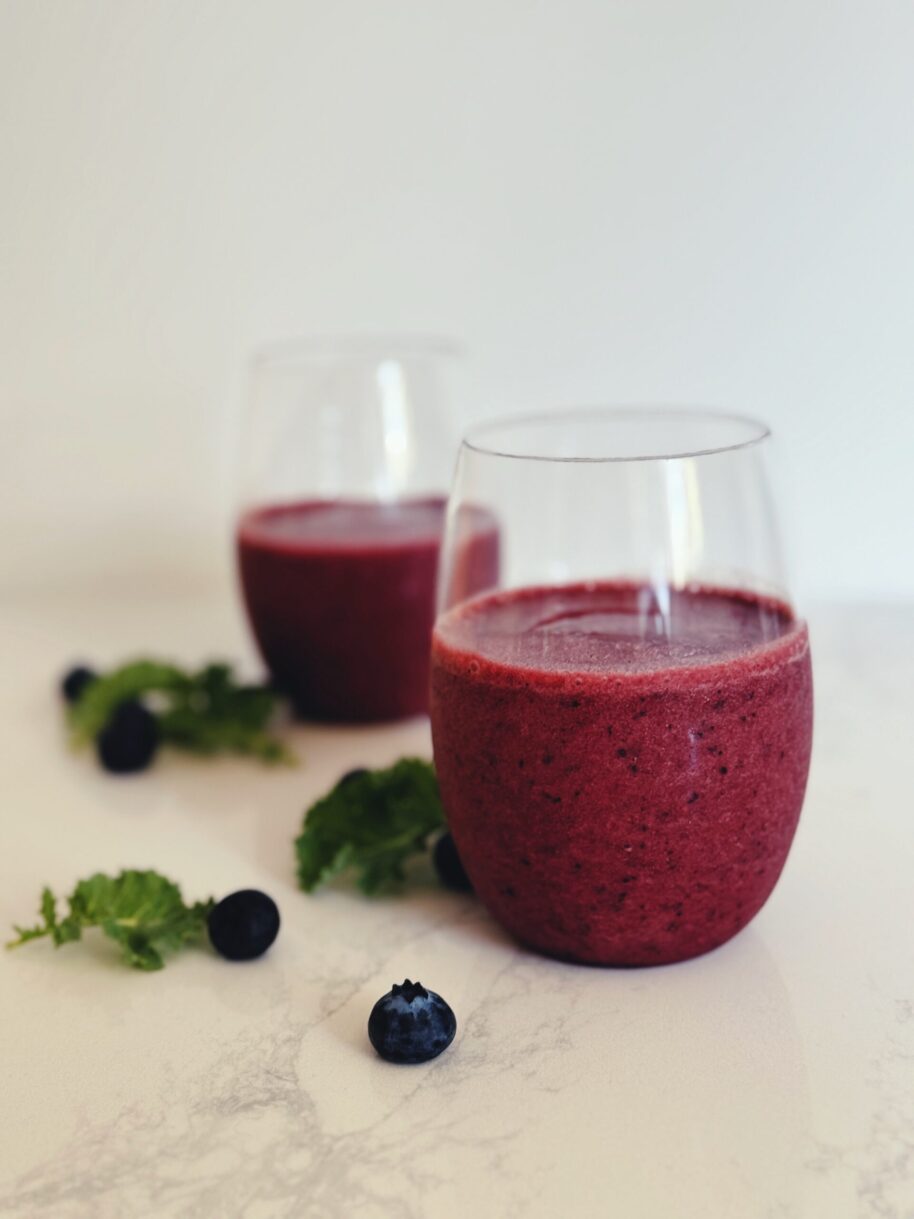

All of these recipes are easy to make, taste delicious and are filled with nutrients and vitamins. Enjoy!
Growing Kale in the garden provides a consistent source of leafy greens perfect for all types of recipes.
Do you have kale in your garden? Join the comment section and let us know!