Jalapeño Harvest
End of season shout out to my jalapeño plant. It was the workhorse of my garden this summer and I hate to see it go. Out of everything I harvested this season, this one jalapeño plant outperformed all of them.

My jalapeño harvest was such a success this year! The pests rarely bothered it; the temperature fluctuations didn’t affect it; it just kept making beautiful peppers all summer long.

It’s now autumn and I am finally saying goodbye to it. But before the bagpipes play, let’s see what this one little plant was able to produce and how to use up all of these peppers in my jalapeño harvest!
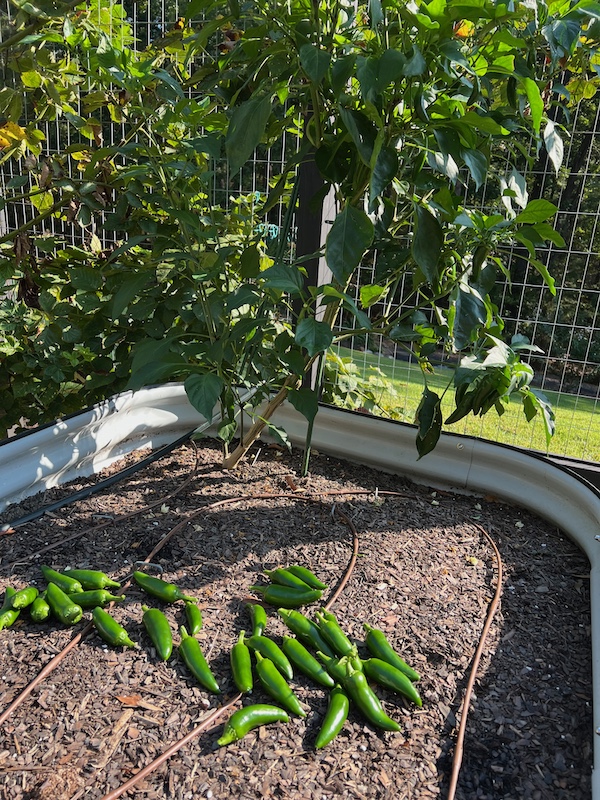
The photo above is only the most recent jalapeño harvest. I think I collected 5-6 gallon size bags of peppers over the summer!
Grow Jalapeño Plants
My gardening season didn’t have the greatest start this year so most of my veggies were small plants from the local garden center. I put them in my raised garden beds loaded with compost and worm castings, turned on the drip irrigation and let Mother Nature take over. I’m all about stress free gardening so no complaints here!

I did one pinch back on the pepper plant in early summer to keep it from getting too leggy. This means I simply snipped the very top set of leaves and buds to encourage bushier growth. This leads to a stronger jalapeño harvest.
Support your growing jalapeño plant!
To be on the safe side and help support my plant during our crazy southern thunder storms, I used a garden stake and a couple of these handy plant clips to keep it under control. I use these stakes and clips in all of my raised beds! You have to look closely at the photo below to see them because they blend in so nicely.

Fertilize your jalapeño plant!
I added worm castings to the soil when I planted the plant and added a round of fertilizer 4-4-4 about mid-summer and the rest is history. If you’re unfamiliar with worm castings, they are essentially worm poops. Think of the worms breaking down debris and food scraps. When they excrete the ‘castings’ they are performing like mini-composters which is great for your soil (and your jalapeño harvest!).
Attract pollinators for your jalapeño plant!
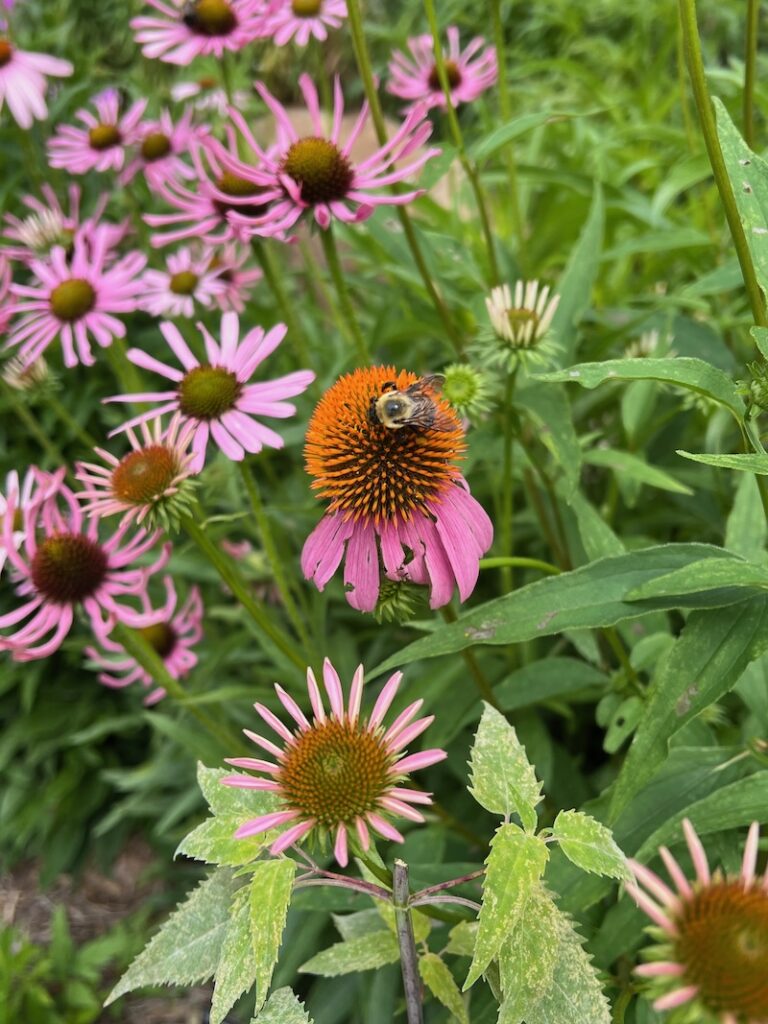
Each of the little white flowers on your jalapeño plant needs to be pollinated to bear fruit and produce a jalapeño pepper.
- Add bright colorful plants to garden beds to attract pollinators.
- Provide a shallow water source such as a bird bath with an exposed rock in it for them to grasp and reach the water safely.
- Avoid spraying chemicals that will harm beneficial insects.
- Keep the water source clean and fresh.
Water your jalapeño plant!
Be sure to water your plant consistently. I love my drip irrigation system that I installed in my raised beds because I control the amount of water and know that they are being hydrated especially when I’m out of town. In hot South Carolina summertime, I water every other day, early in the morning and check my plants daily.
Depending on the size of your raised bed or container, you might need to water more often. Smaller containers dry out faster and need more frequent water and fertilizer.
Readers ask me quite often how to know if you’re watering too much or not enough.
- If the soil feels dry and crumbly 1-2 inches deep, then it’s time to water.
- If the leaves are turning brown and shriveling, you need to water more. That could mean either more often, or more deeply, or both!
- If the leaves are turning yellow and the soil is damp, you might be overwatering. Let the soil dry out some.

Harvest your jalapeños!
Look at those beautiful jalapeño peppers! They are nice and fully developed. I pick them when they are green and glossy and as long as my pointer finger. If they have ‘corking’ or fine white lines forming, they are still excellent and ripe for the picking. Your plant might think it’s nearing the end of the fruiting stage, so pick early and often to keep it producing.
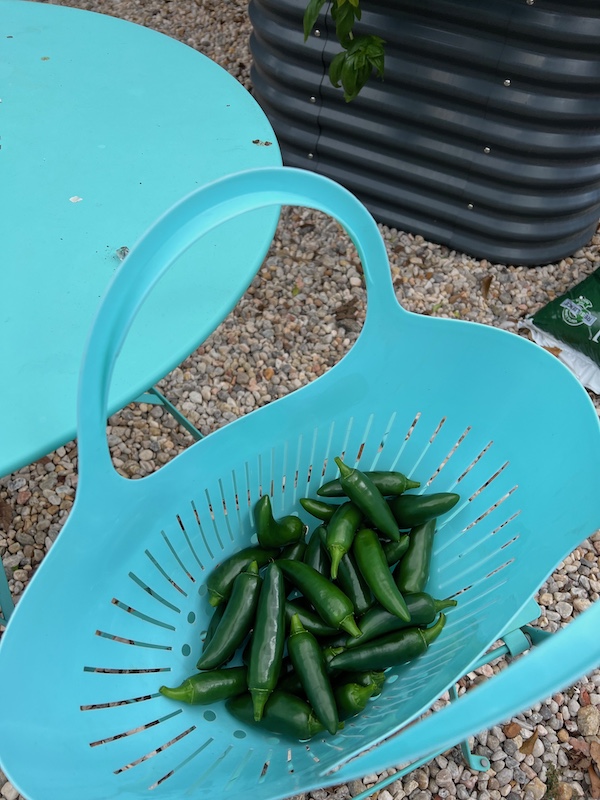
Using sharp clean clippers or scissors, cut nice fully grown jalapeños at their stem and collect in a harvest basket. It’s so easy! Now what do we do with all of these jalapeños?
*Ginger Tip: Wear rubber gloves and/or wash hands thoroughly after touching jalapeños. Avoid touching your face or eyes.
Freeze your Jalapeños!
Freeze some in reusable silicone bags so that you have plenty of jalapeños throughout the winter. It’s best to wash, trim and remove seeds/ribs before freezing. However, I am usually in a hurry and just rinse and toss the whole pepper in the bag.
When it’s time to use them, I do a quick rinse under warm water to soften them just enough to cut and remove the insides. If they completely thaw out, they can be a little too soft. They taste best within 6 months, but can be frozen for up to a year!
Use Fresh Jalapeños in the Following Recipes:
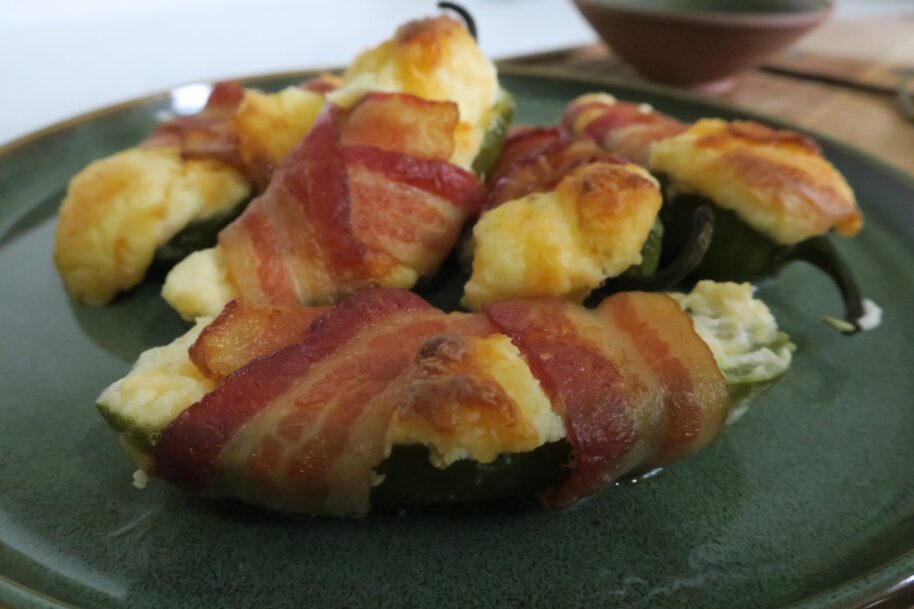
Crab Cakes with Spicy Cream Sauce and Black Bean Corn Relish

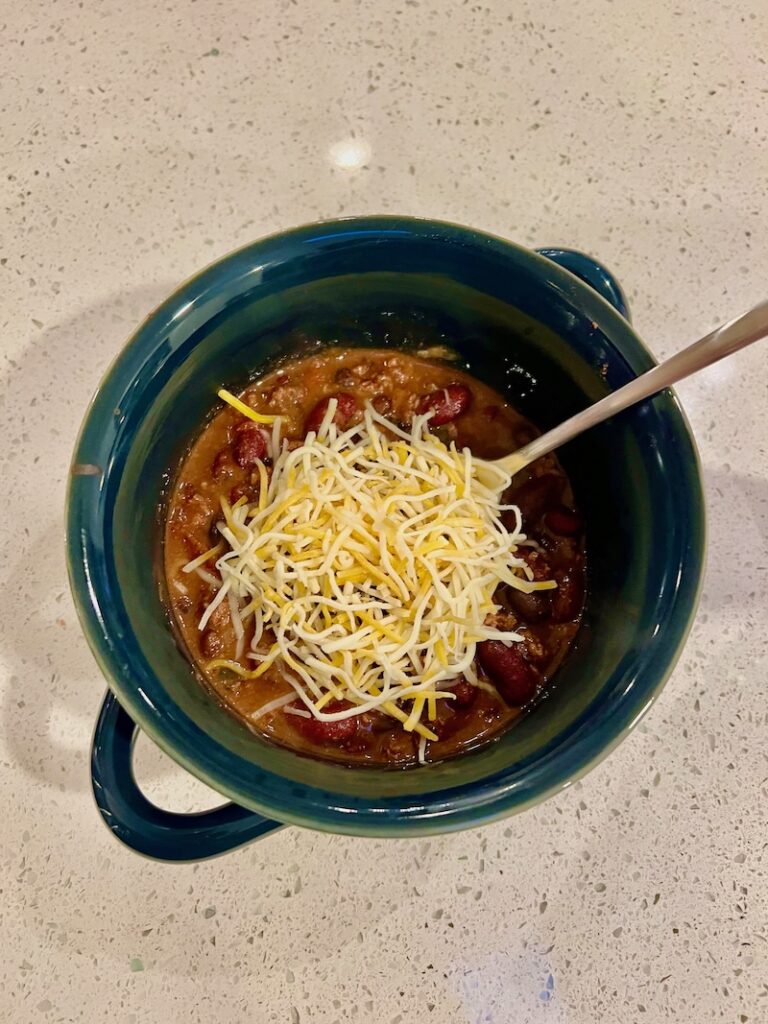
Victoria’s Beef Chili and Hannah’s Vegetarian Chili

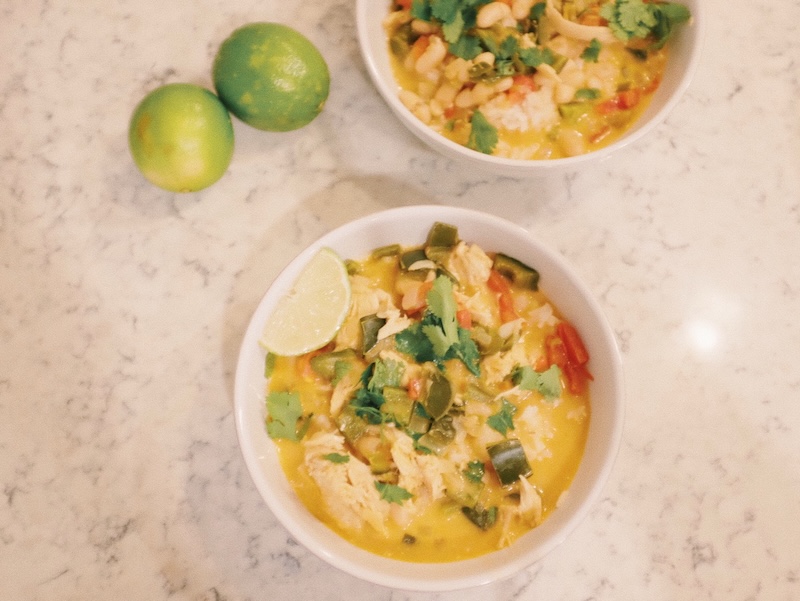
Growing, harvesting and cooking with jalapeños is one of my favorite achievements from the garden. I hope you have success, too!
How do you use your jalapeños ? Drop a comment below!
Enjoy more garden to table recipes in my post: From Garden to Table: Homemade Recipes Using Fresh Herbs, Fruits and Vegetables.
For more yummy fall recipes, check out my post 10 Soup Recipes for Fall.