Late Summer Gardening Tips: What to Do Before Fall
When summer comes to a close and autumn is peeking around the corner, weary gardeners still have work to do. Here are some end of summer gardening tips for the Dog Days of Summer!

By late summer, the garden can start looking a little tired. Flowers are fading, vegetables may be slowing down, weeds have found every forgotten corner, and the heat can leave both plants—and gardeners—ready for a break.
But don’t give up on the garden just yet.
A little late summer garden maintenance can extend your harvest, encourage another round of flowers, help struggling plants recover, and give you a head start on your fall garden.
My own garden has struggled through drought, heat, and plenty of pests this summer. It doesn’t look quite like the garden I imagined back in spring, but I’ve learned that August isn’t about having a perfect garden. It’s about taking stock of what is working, letting go of what isn’t, and making the most of the season that’s left.
At the end of summer, focus on keeping productive plants healthy while preparing for the season ahead. Harvest vegetables regularly, remove plants that have stopped producing, deadhead flowers, pull weeds before they set seed, water deeply during hot weather, check for pests and disease, and begin planting or planning cool-season vegetables for fall.
Here are the late summer gardening tasks I’m tackling now and the ones that can make the biggest difference before fall arrives.
12 Late Summer Gardening Tips to Do Before Fall
Tools to gather:
- If you don’t have one already, consider getting a reusable debris bag like this one from Fiskars. I use mine almost daily in my gardens for collecting clippings.
- I also love my Gorilla cart with its dumping feature for hauling larger debris and bags of soil.
- Grab your clippers and gloves and get busy!
1-Remove Dead and Under-Performing Plants.
Your gardens will look so much better once they’re removed.
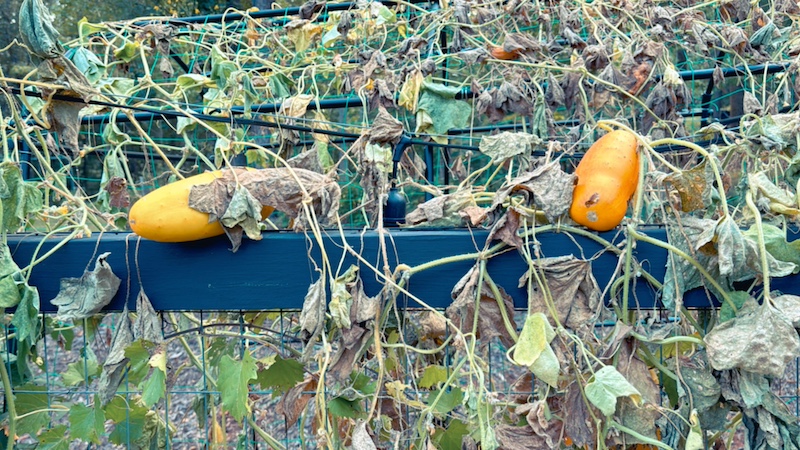
These cucumbers performed very well this season, but then I went out of town. ARGH! Not being picked routinely, they turned yellowish orange and told the vine that they were done. What an eyesore! They were the first to get removed, and my kitchen garden looked so much better.
Ginger Tip!
If you don’t have the heart to toss the under-performers, do like I did at my last house. I made a “rehab” garden spot for a last ditch effort to save a plant. If it failed there, it was added to the compost later.
When removing your dead or under performing plants, dispose of them properly.
- diseased plants or pest infested ones go into trash
- debris and decaying matter go into the compost pile
2-Keep Harvesting Summer Vegetables
Depending on your location and weather conditions, you should still have some plants that are producing late into the summer, especially if you used succession planting.
Tomatoes, peppers, okra, cucumbers and more will keep going if you treat them with some loving attention.
- Harvest regularly-preferably daily! This encourages the plant to keep producing more fruit instead of going to seed.
- Reduce the overall size if leaves and branches are restricting airflow which leads to diseases and poor fruit ripening. This might mean thinning interior branches of peppers and tomatoes, removing fig leaves to allow more sunlight, or stripping lower sections of cucumbers and squash to prevent pest problems.
3-Deadhead Flowers for More Late Summer Blooms
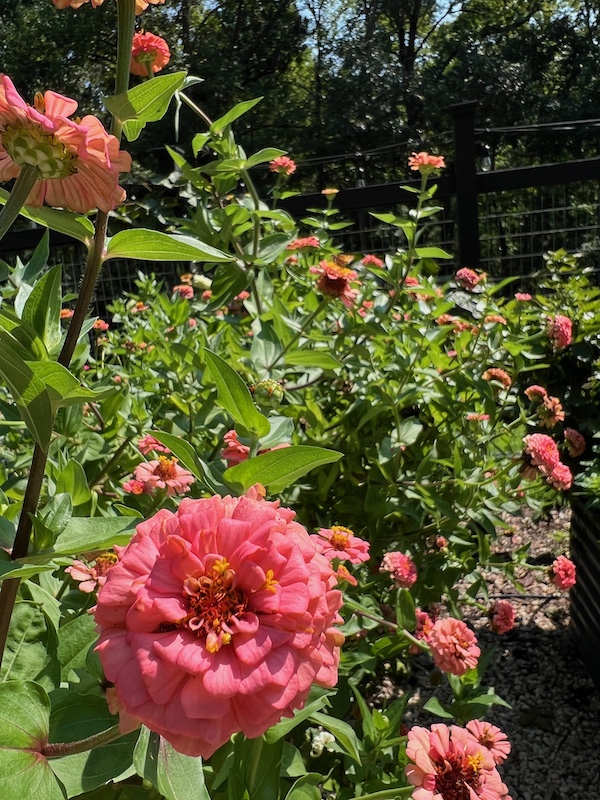
Another late summer gardening tip is to deadhead your flowers. This is a great time to remove the spent blooms on your flowers. Leaving them will tell the plant it’s time to produce seeds instead of flowers.
Remember we’re stretching the end of summer gardening, not preparing for fall right now. In a month or so (depending on your zone) it will be a different post. For now, let’s get another bloom!

Ginger Tip!
Leave a few flower seed heads for the birds. For example, finches love the seeds from purple coneflowers!
4-Pull the Weeds Before They Go to Seed
It’s not everyone’s favorite chore, but I find it oddly satisfying. There’s nothing like grabbing a weed, pulling it and having the entire weed come out in one piece! Remember in the movie Mommy Dearest when Joan Crawford is destroying her rose garden in a psychotic fit of rage? She should’ve gone after the weeds, not the roses!
Ginger Tip!
Pull weeds right after a heavy rain or after you’ve watered. They are much easier to pull out of soggy soil than dry compact dirt.
For the stubborn weeds, (and the thorny ones yikes)- I love my Grandpa’s Weeding tool. My back does, too!

Pulling weeds now before they go to seed will help immensely with weed control next year.
5-Cut Back Overgrown Annuals and Containers
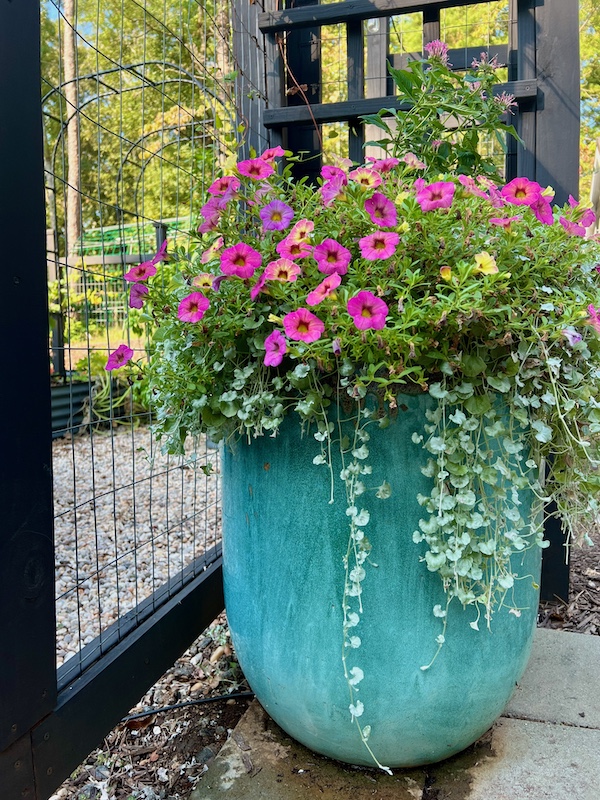
Everyone loves a back to school haircut in August, including your annual plants. This is more than just deadheading. Some of your plants need a serious trim. If you read my post Spring into Summer Container Plants: Tips and Recipes, then you know about Thriller, Filler and Spiller. By now, your spiller is spilling onto the ground and heading to your neighbor’s property. End of summer gardening means giving the containers a good haircut and doing a fall makeover a little later.
Look at the container to the left of my garden gate. The Silver Falls Dichondra has turned into a little monster. Does anyone else see Cousin Itt from the Addams Family?

What a difference a trim makes!
Check your hanging baskets, window boxes and annuals in the beds, too.
Water Deeply During Late Summer Heat
To maximize your summer garden as it nears the finish line, remember to water, water, water!
- water early in the morning before the hot afternoon sun evaporates it before it can really soak the roots
- a good deep soaking is better than several shallow waterings
- containers may need to be checked twice a day if the heat is overpowering
I highly recommend installing drip irrigation to your gardens, raised beds and containers. In my post “Easy Step by Step Drip Irrigation for Raised Beds” you will learn exactly how to set it up.
7-Know What to Fertilize in Late Summer
The end of summer garden is like the end of that marathon. We are all hot and tired and ready to quit. A little boost will help keep us going!
Fertilize actively flowering/fruiting plants and containers with something like Fox Farm Liquid Plant Food or Worm Castings to help keep them producing.
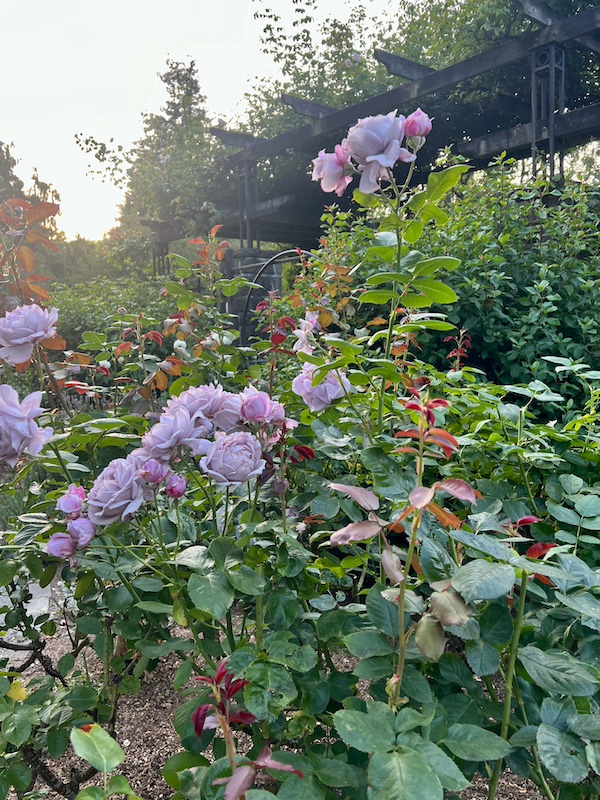
Avoid encouraging lots of tender new growth on plants that are transitioning toward dormancy. This applies to established perennial flowers, fruit trees, berry bushes, roses and deciduous trees/shrubs. Tender new growth now might not mature enough to survive frost damage.
Ginger Tip!
Feed the plants you’re asking to keep growing-not the plants your asking to get ready for winter.
8-Check the Garden for Pests and Disease
Even though this task is ongoing throughout the seasons, it’s especially important right now. This time of year is when the garden can feel like a war zone where you’re battling weeds, heat, insects and diseases.
Don’t give up!
- Take the time to check under the leaves for hiding insects and eggs.
- Remove damaged/diseased material (again- not for compost!) and dispose of properly.
- Avoid spraying chemicals to protect beneficial insects.
- Knocking pests into a bucket of soapy water is very effective against June beetles and Japanese beetles.
- Designate a Pest Handheld Vacuum to suck up squash bugs and other flighty pests.
9-Help the Pollinators and Birds Through Late Summer
It’s easy to become lazy at the end of summer, but please remember the little helpers in our gardens. This is an excellent opportunity to scrub the bird baths and feeders to remove any bacteria ridden slime that builds up in hot muggy weather.
Ginger Tip!
Place a couple of rocks in the bird bath for pollinators. It’s easier for them to land and to reach the water’s edge for a sip.
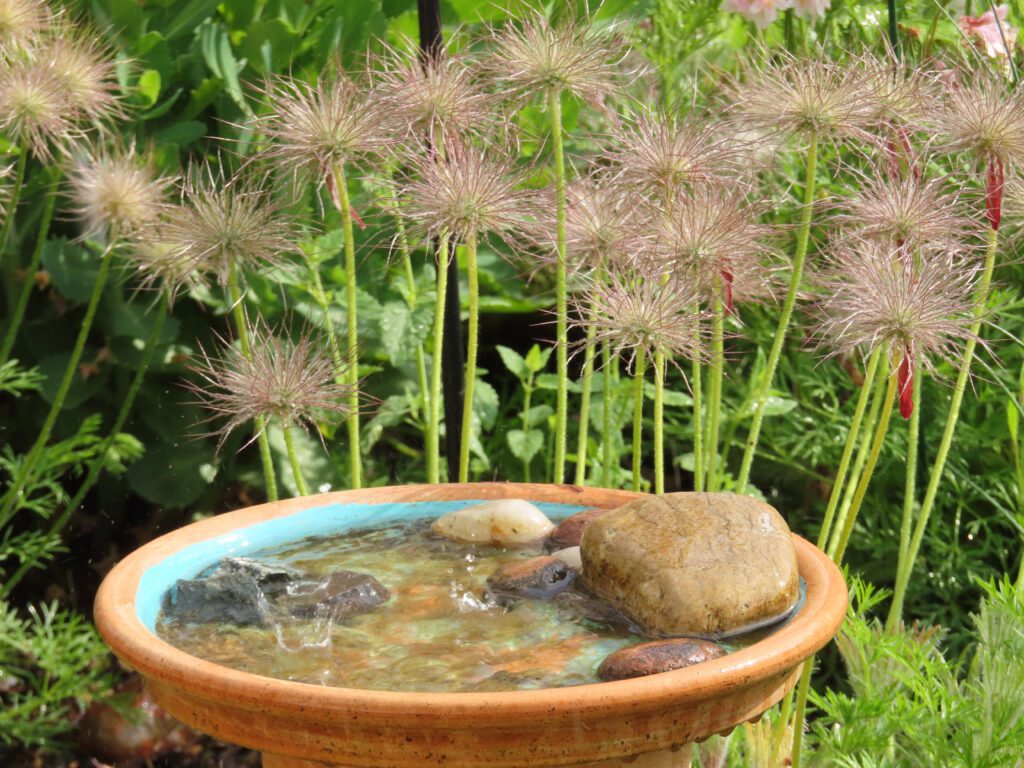
When deadheading flowers, leave a few seed heads for the birds.
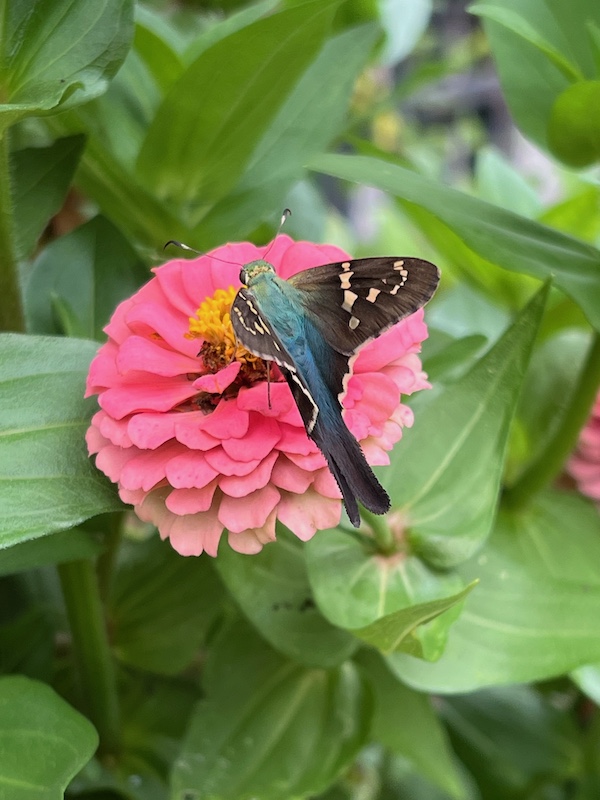
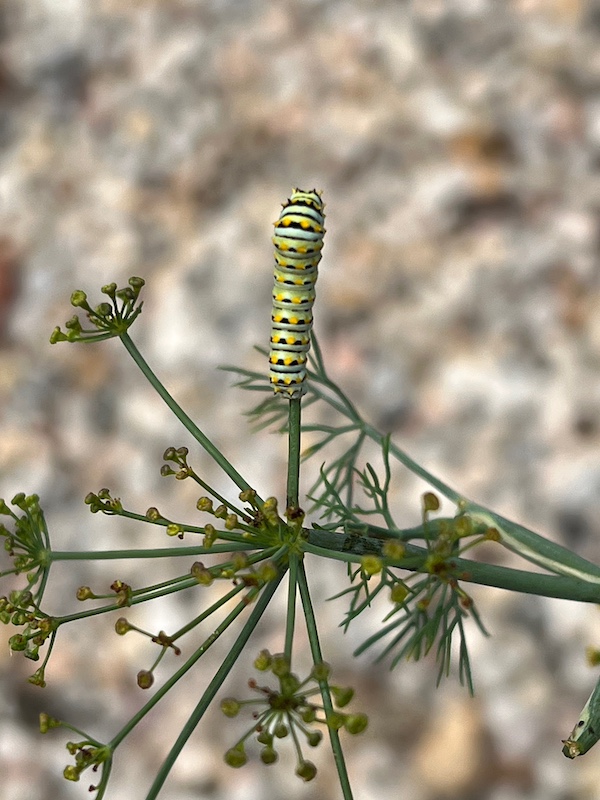
Butterflies are super active right now. Avoid unnecessary pesticide sprays if you can.
10-Take Photos and Notes for Next Year’s Garden
Taking photos of your garden with the end of summer date stamp will be a big help for next year’s planning.
For example, I keep an album in my phone’s photo library labeled “Bulbs” to help me remember where I planted bulbs in the fall, and what they looked like during the season. When fall rolls around for new bulb plantings, I know where certain colors and varieties are already planted. This makes it so much easier to fill in garden planners and seed catalogs over the winter.
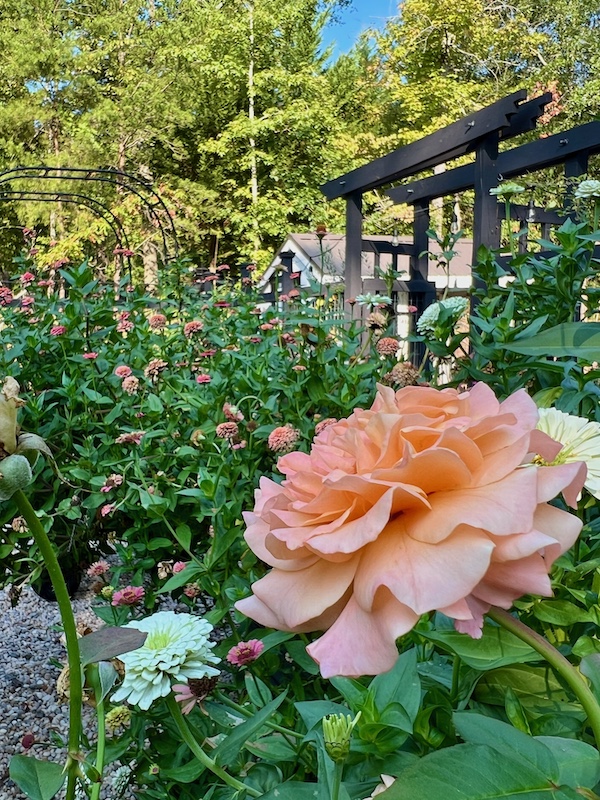
This is an excellent time to update your garden journal. Record pests and problems, plants that are performing well and which ones are not. Give the garden a report card, if you will. I detail how to set up and use a garden journal in my post How to Start a Simple Garden Journal that You will Actually Use!
11-Start Planning Your Fall Vegetable Garden
Now is the time to plan your fall garden additions. Soon the nights will be cooler and the daily temperatures will be milder. Then we can plant cool season vegetables and frost tolerant plants.
Depending on your location, you might already be ready! Here in the south we are still cooking in hot summer temperatures, but I will order seeds and decide where to plant them in the upcoming months.
Cool Season Vegetables and Herbs:
Ginger Tip!
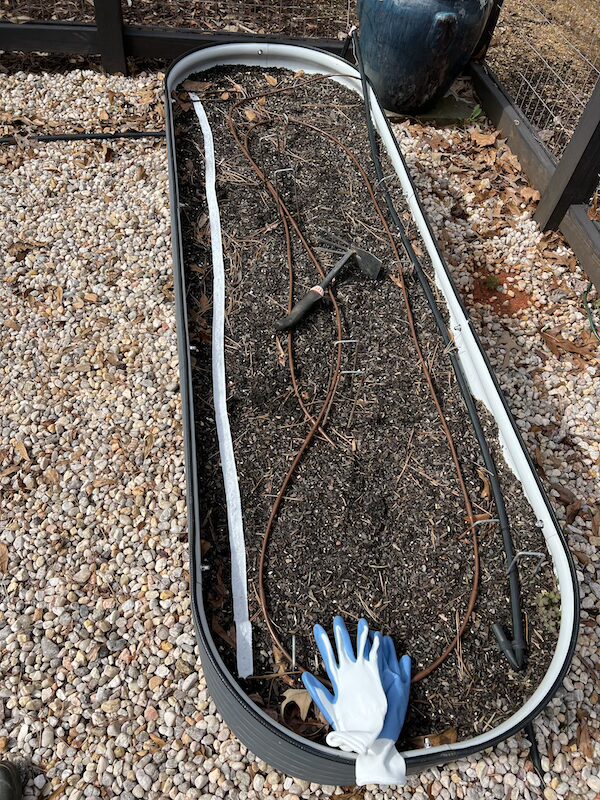
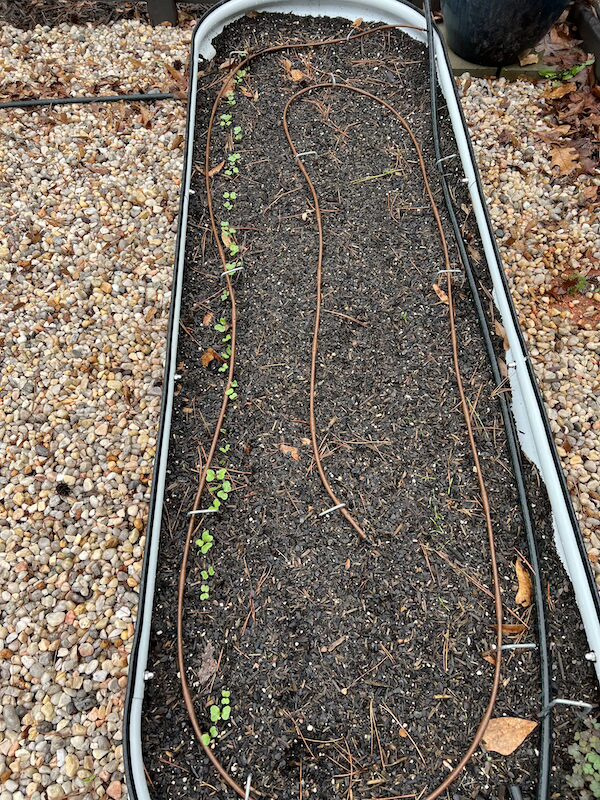
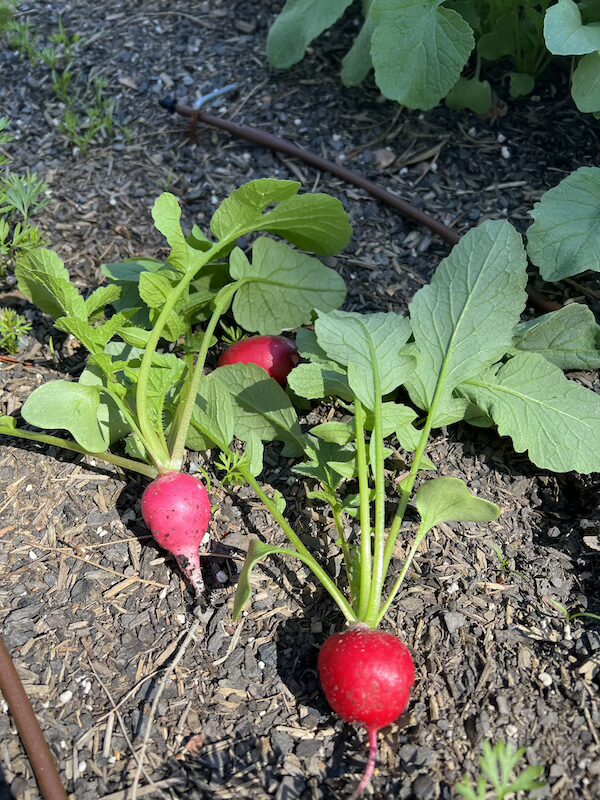
Try “Seed Tape” if you’re new to vegetable gardening and need an easy method to start.
I planted radish and lettuce seed tapes as an experiment this past year and had great results! Seed tape is like toilet paper strips with seeds spaced perfectly between the layers. Roll out the desired length, cover with soil and water it! Super easy!

Check your frost dates to determine your window for fall planting.
12- Shop Late Summer Garden Center Clearance Sales Carefully
Now is a great time to shop the sales in the garden centers. I recently found some amazing deals at a local nursery and replenished my hanging herb garden that died. (Someone unknowingly turned off the water supply to my drip irrigation while I was out of town).
The staff literally marked the plants down while I was looking at them so I would buy them.
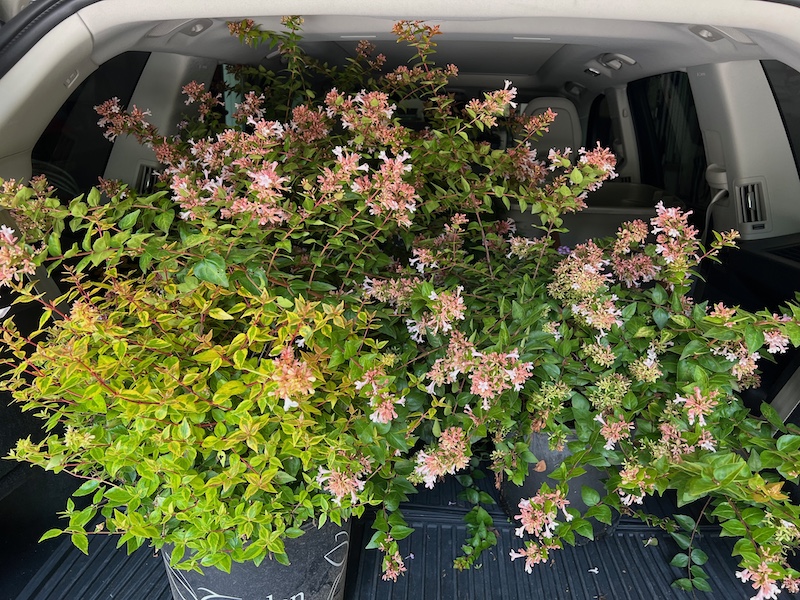
I also grabbed a few flowering annuals and shrubs at a huge discount and filled in the blank spots in my garden.
Keep in mind, that a low price does not automatically mean a good deal. If the plant looks diseased (white powdery mildew, black spots, etc.) leave it there! Don’t introduce that into your own garden.
Enjoy What’s Left of the Summer Garden
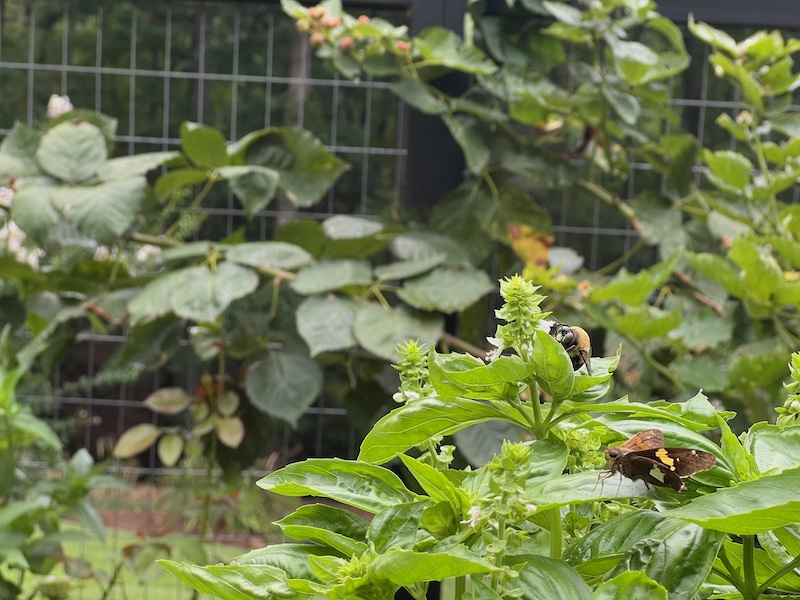
This is probably the most important tip for end of summer gardening! Winter will be here before we know it, and we will miss our time digging in the warm dirt. Squeeze out every last ounce of summer now while you can.
- Reflect in your garden.
- Breathe deeply.
- Smell your flowers.
- Listen to the pollinators buzzing.
- Feel the soft leaves and petals.
- Watch the birds and butterflies.
This is required homework, my friends!
Happy Digging!
The end of summer might have you dragging your boots in the garden, but I hope these tips help you stretch the season a little bit longer!
Before you know it, we will be preparing for the fall and winter.
Read my post: Putting the Garden Beds to Bed next!
Want to start tackling the fall chores around your house?
Read my post: 4 Fall Chores for the Seasonal Home.